OscarOno Paris
Quick answer
OscarOno Paris is a Paris-based maker of architectural wood surfaces and end-grain oak flooring, active since 2002 according to its own site. Its collections include Cube end-grain oak, Hongrie chevron and Rompu herringbone in oak, and Réserve in Zambezi teak.
OscarOno Paris is a Paris-based maker of architectural wood surfaces. This profile follows the same template as the other manufacturer listings: it reports what the company publishes about itself and does not rank it against other makers.
What does OscarOno Paris make?
The site describes bespoke architectural wood surfaces and end-grain oak flooring1. Its About page says the brand designs and crafts wood surfaces for architects and interior designers "since 2002", describes itself as a collective of designers, craftsmen and thinkers, and says surfaces are assembled by hand2. The collections are grouped as Signature (Opus, Forêt, Élément), Atelier (Entrelacs, Tresse, Canopée, Néon), Essentiel (Droit, Hongrie, Rompu, Dalle), Circulaire (Cube, Terra, Tweed) and Édition (Rosace, Réserve)1.
How is the Cube collection built?
Cube is described as end-grain European oak: square blocks set side by side in an open, even grid, made from solid offcuts3. The construction is 10 mm birch plywood with a 6 mm oak top layer, with joints under 1 mm3. Finishes are Natural, Smoke and Black. Smoke is smoked through the full depth of the oak, and Black is charred in the shou sugi ban tradition, with no stain3. The page lists usage class 34 and fire rating Cfl-s13. For how this construction works in general, see our page on end grain flooring.
What are the Hongrie and Rompu collections?
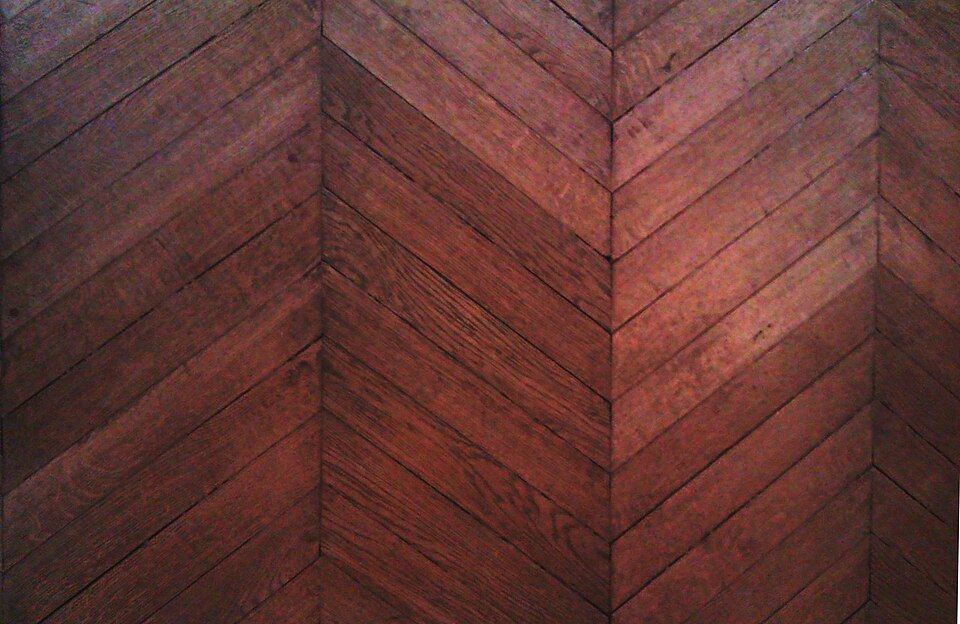
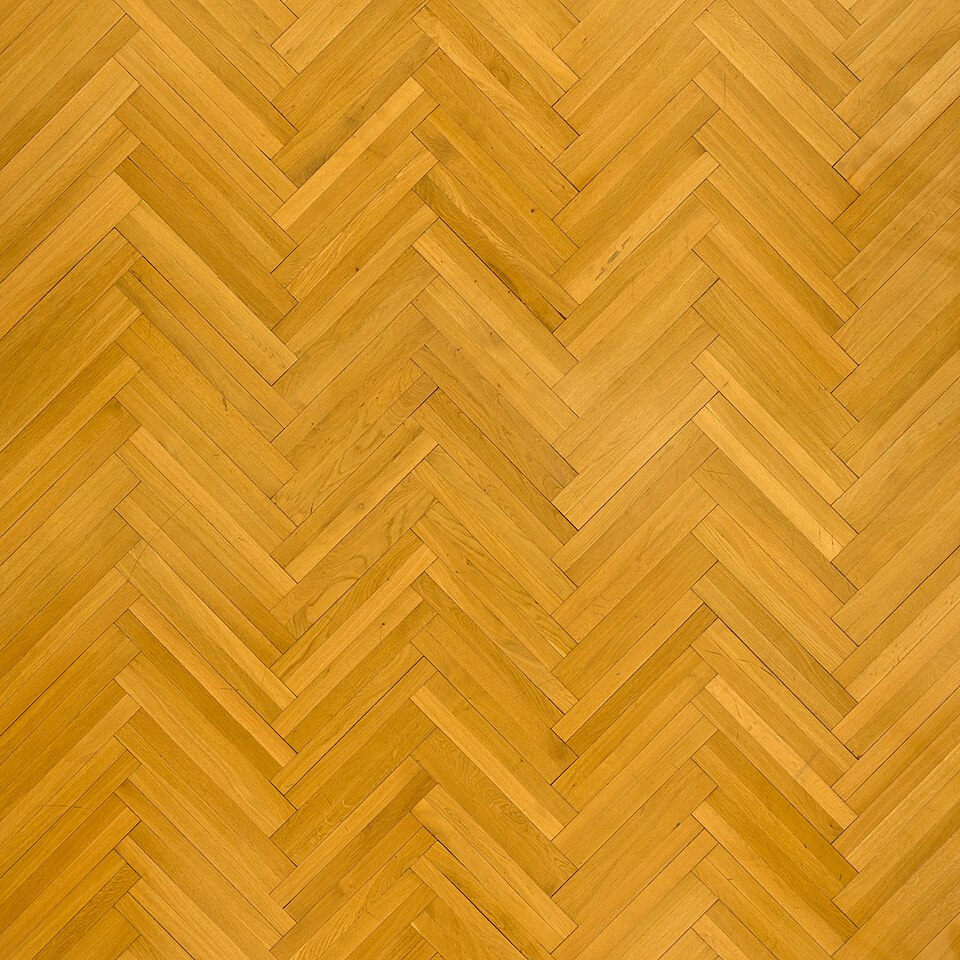
Hongrie is a chevron (point de Hongrie) and Rompu is a herringbone (bâtons rompus), both in the Essentiel group45. The facts panels give the same specification for both: flatgrain select oak, 12 mm construction with a 4 mm top layer, widths of 150 mm or 190 mm, twelve lacquered colours, usage class 33 and fire rating Cfl-s145. Our guides to chevron flooring and herringbone flooring explain the geometry of each pattern.
Which species and certifications are stated?
The About page says oak is used above all, with the occasional other species. It names Réserve, made from teak from trees that fell, and Fossile, oak that lay for thousands of years in riverbeds2. The home page names the Réserve species as Zambezi teak1. For background on the main wood, see European oak.
The Cube, Hongrie and Rompu pages each list the certification as FSC and PEFC certified345. The About page says it treats FSC and PEFC certification as "where it starts, not where it ends"2.
Where is it sold?
The About page says the collections are carried by thirty-seven boutique dealers and that there is a second address in Miami2. For another supplier of patterned and end grain surfaces, see the profile of Havwoods.
Frequently asked questions
What is the Cube collection made of?
What finishes does Cube come in?
How do Hongrie and Rompu differ?
What usage classes does OscarOno state?
Which non-oak species does OscarOno mention?
Sources
- OscarOno Paris home page, OscarOno Paris. Accessed .
- About, OscarOno Paris. Accessed .
- Cube collection, OscarOno Paris. Accessed .
- Hongrie collection, OscarOno Paris. Accessed .
- Rompu collection, OscarOno Paris. Accessed .
This page compiles published data from the sources listed above. Read our editorial policy. Last updated .