European beech
Quick answer
European beech (Fagus sylvatica) is a pale, fine-grained hardwood with a Janka hardness of 1,450 lbf (6,460 N). It moves a lot with moisture: tangential shrinkage is listed at 11.7% and NWFA's Hardwood Floors Magazine rates its dimensional stability below average12. Heat treatment is reported to reduce swelling and shrinkage.
European beech is a pale, hard-wearing European hardwood that is widely used for flooring, but it moves more with moisture than oak or ash. Its Janka hardness is 1,450 lbf (6,460 N), yet its tangential shrinkage of 11.7% and a below-average stability rating mean that fixing, moisture control and board construction deserve attention12.
What is European beech?
European beech is Fagus sylvatica, also called Common beech. The Wood Database gives its distribution as Europe1. EUFORGEN describes a large deciduous tree with a wide, continuous distribution from southern Scandinavia to the Mediterranean, and lists furniture, flooring, firewood and charcoal, and veneer among its timber uses3.
The Wood Database describes beech as an important and widely used hardwood in Europe, valued for hardness, wear resistance, strength and bending capability, and says wide, long lumber is commonly available1.
What colour is beech flooring?
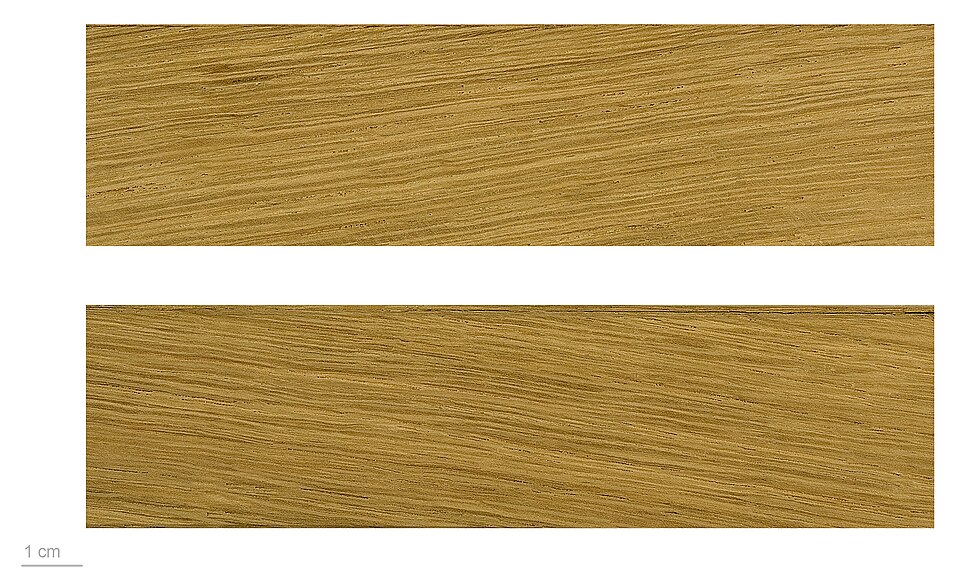
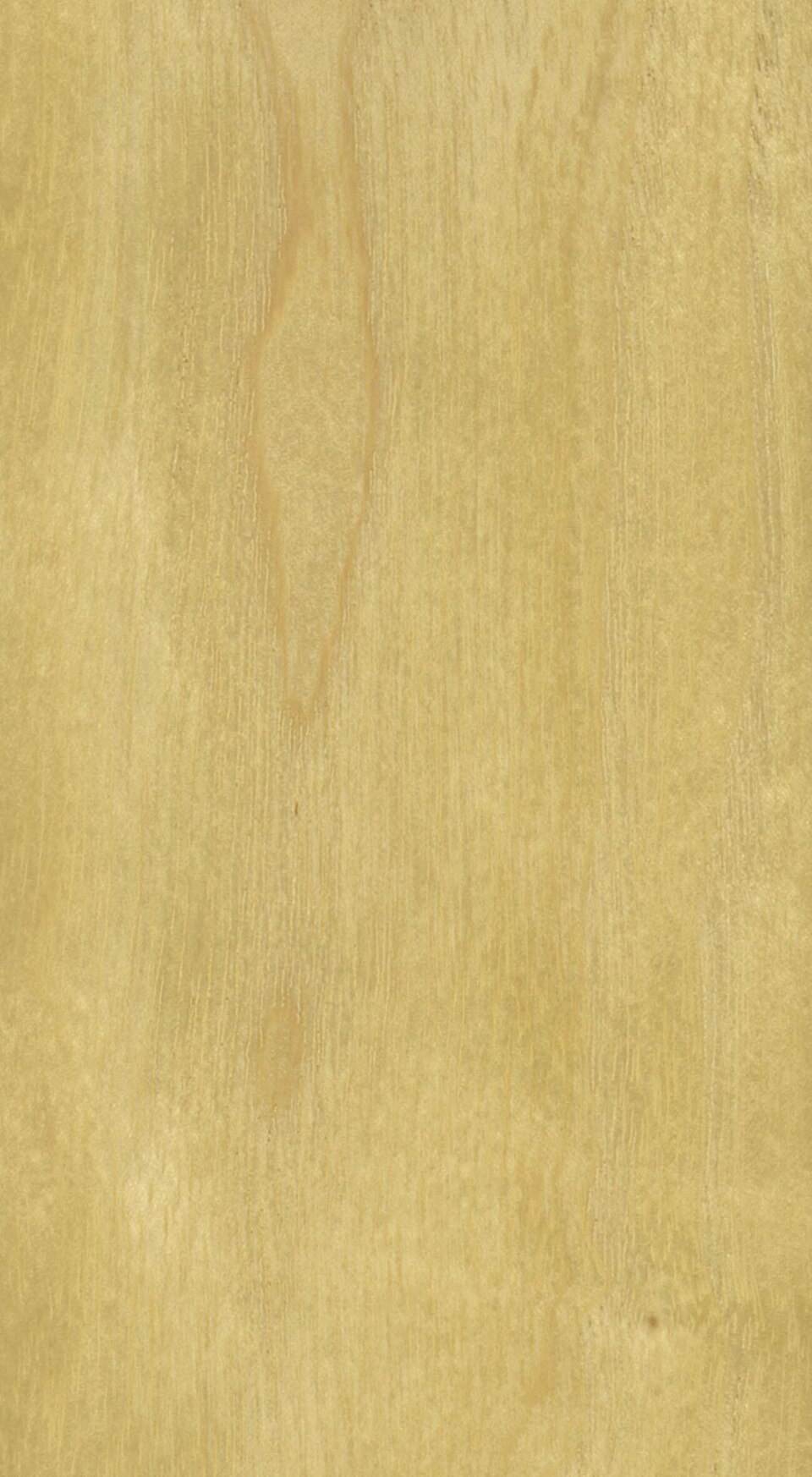
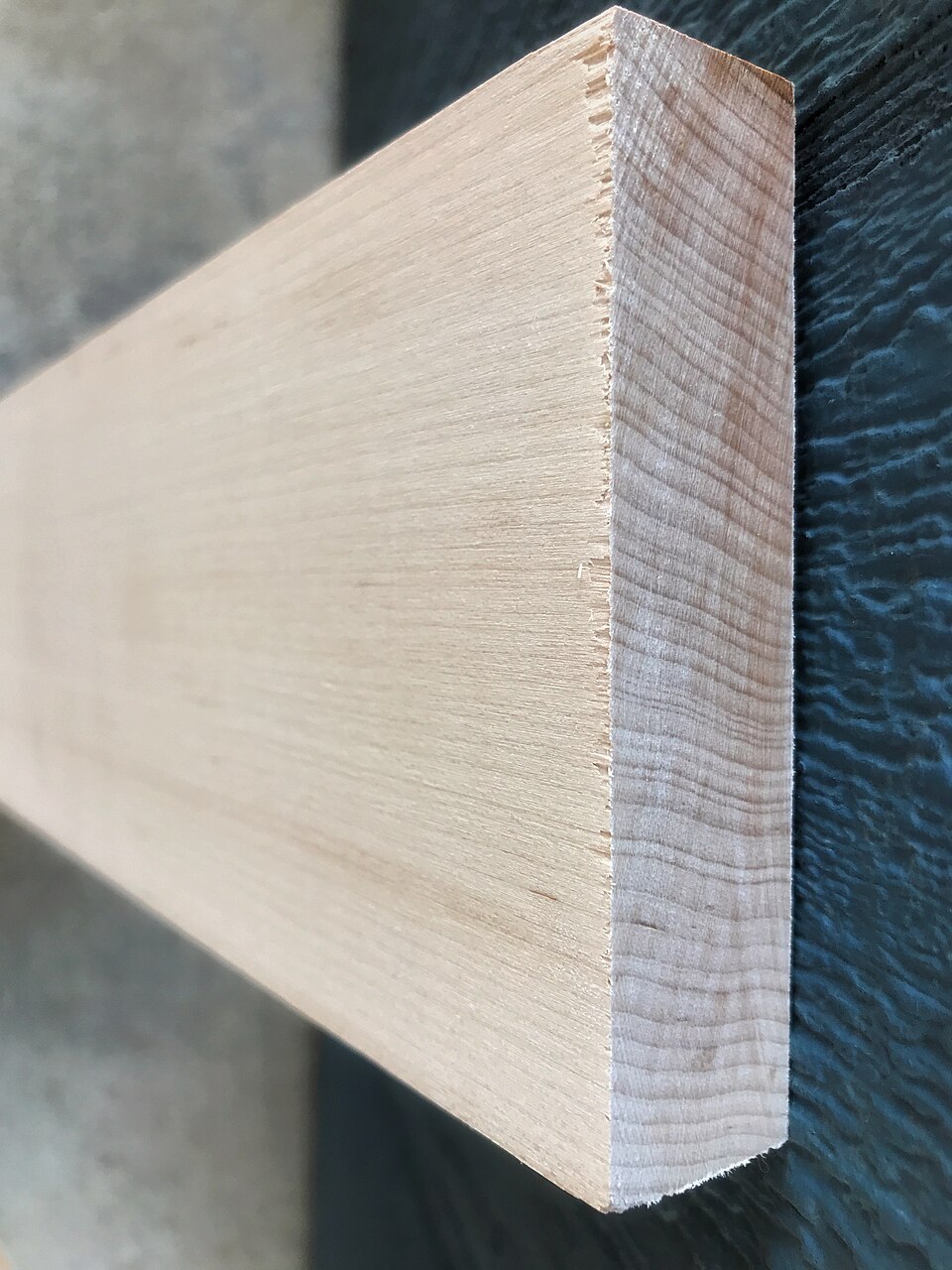
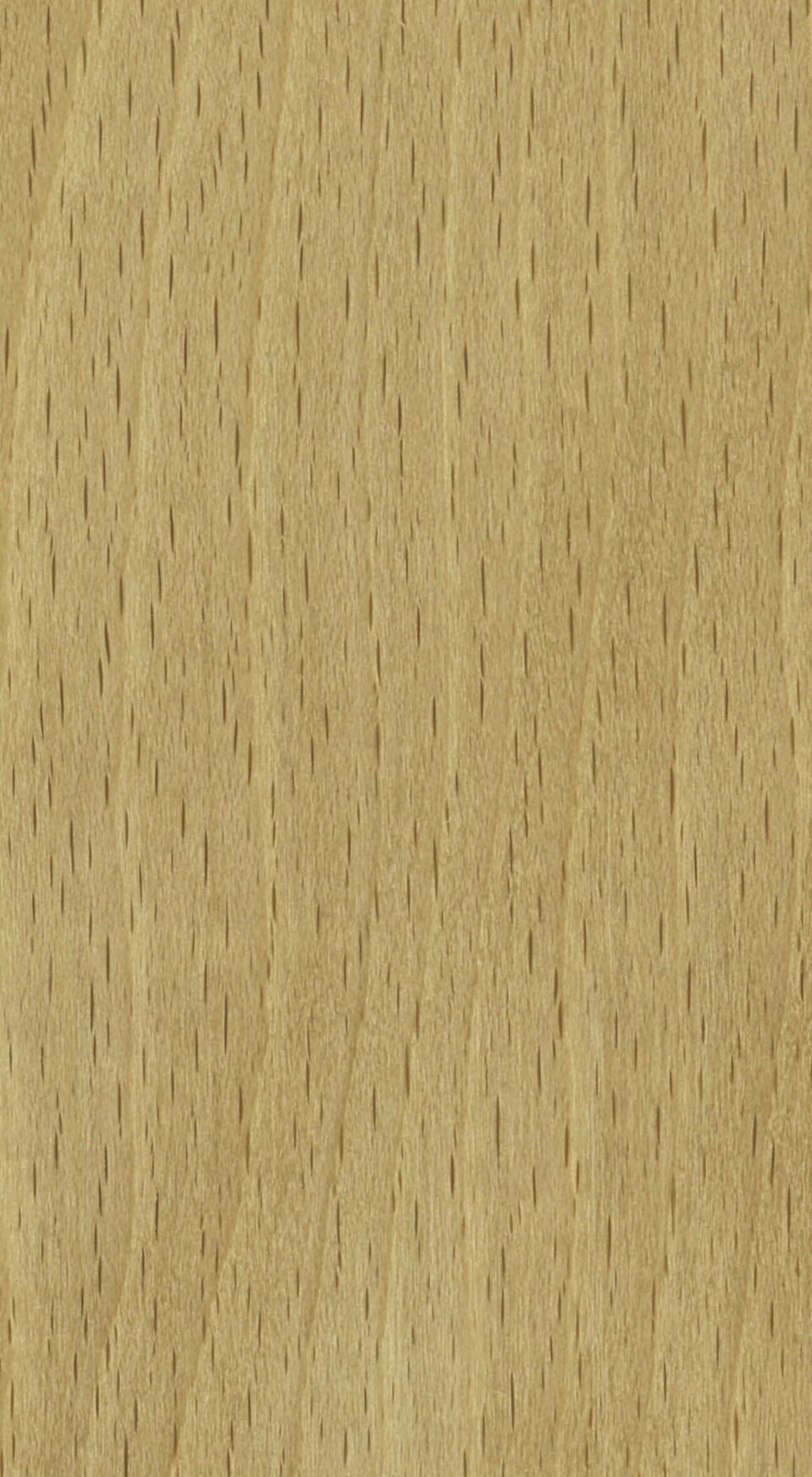
Natural beech is pale. The Wood Database describes a pale straw colour, sometimes with a pink or brown hue, and notes a minute ray fleck on quartersawn surfaces1. NWFA's article gives a slightly different picture: heartwood mostly dark to light reddish brown, with sapwood pale white or straw, sometimes pink or brown2.
Two treatments change the colour. Niemz reports that steamed beech, with its slightly reddish tone, is a fixed segment of the market, and that heat treatment gives a darker tone that customers increasingly ask for and can even out the red heartwood (German: Rotkern). He notes that heat-treated beech is used for furniture and parquet4.
How hard and dense is beech?
| Species | Janka hardness | Average dried weight |
|---|---|---|
| European beech (Fagus sylvatica) | 1,450 lbf (6,460 N) | 710 kg/m³ |
| European ash (Fraxinus excelsior) | 1,480 lbf (6,580 N) | 680 kg/m³ |
| English oak (Quercus robur) | 1,120 lbf (4,980 N) | 675 kg/m³ |
All values are from The Wood Database165. Beech and European ash are close on hardness; both are harder than European oak. See the Janka hardness guide for how to interpret the scale.
How much does beech move?
Beech is the least stable of the three species in the table below, using The Wood Database's shrinkage figures165:
| Species | Radial | Tangential | Volumetric | T/R ratio |
|---|---|---|---|---|
| European beech | 5.8% | 11.7% | 17.9% | 2.0 |
| European ash | 5.7% | 9.6% | 15.3% | 1.7 |
| English oak | 4.7% | 8.4% | 13.0% | 1.8 |
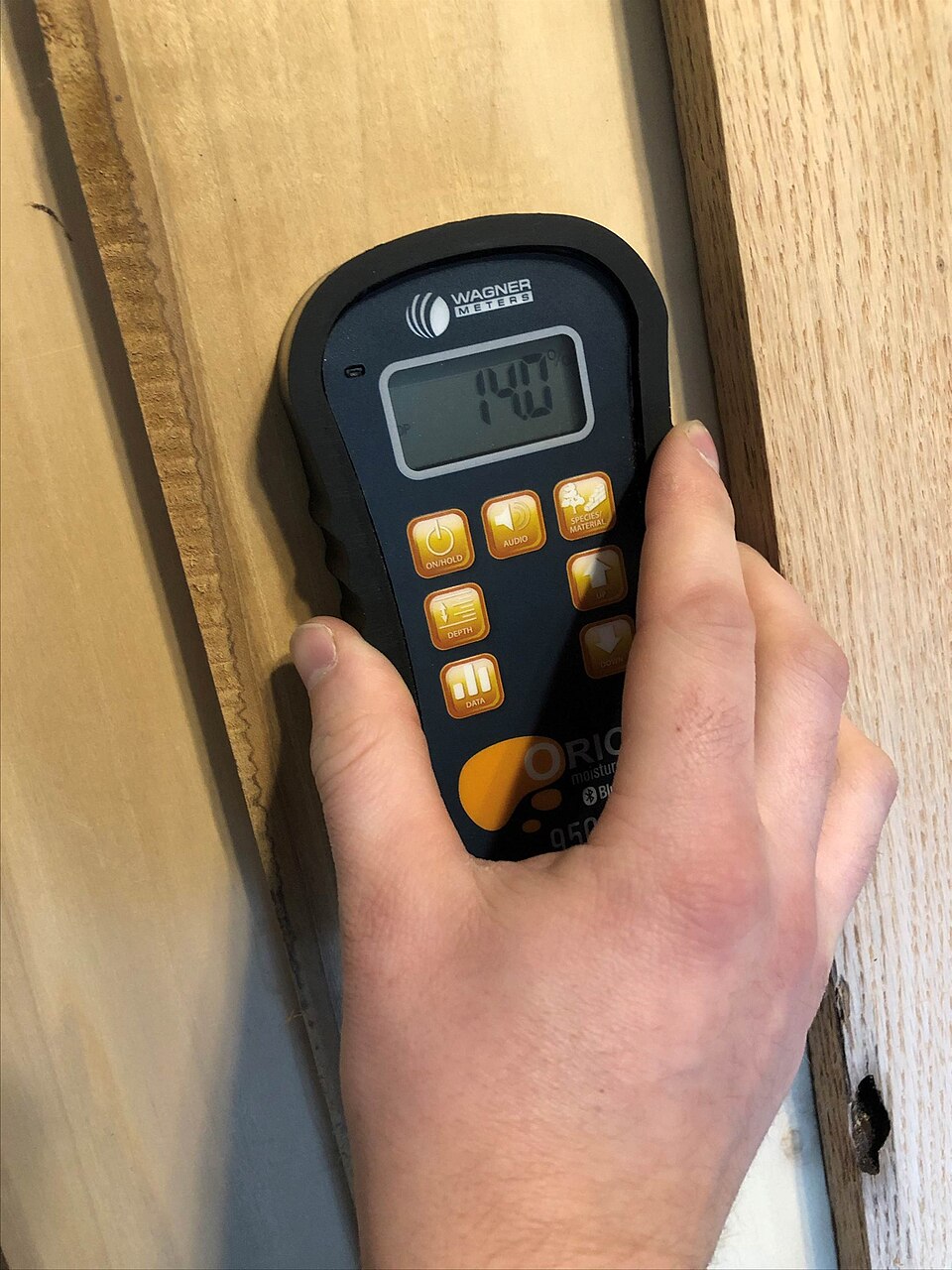
NWFA's Hardwood Floors Magazine rates beech's dimensional stability as below average and gives 5.5% radial and 11.9% tangential, measured from green to oven-dried. The Wood Database's tangential figure (11.7%) is slightly lower; the two sources agree on the overall picture21. The Wood Database adds that beech has a large amount of movement in service, so wood stability must be taken into account1.
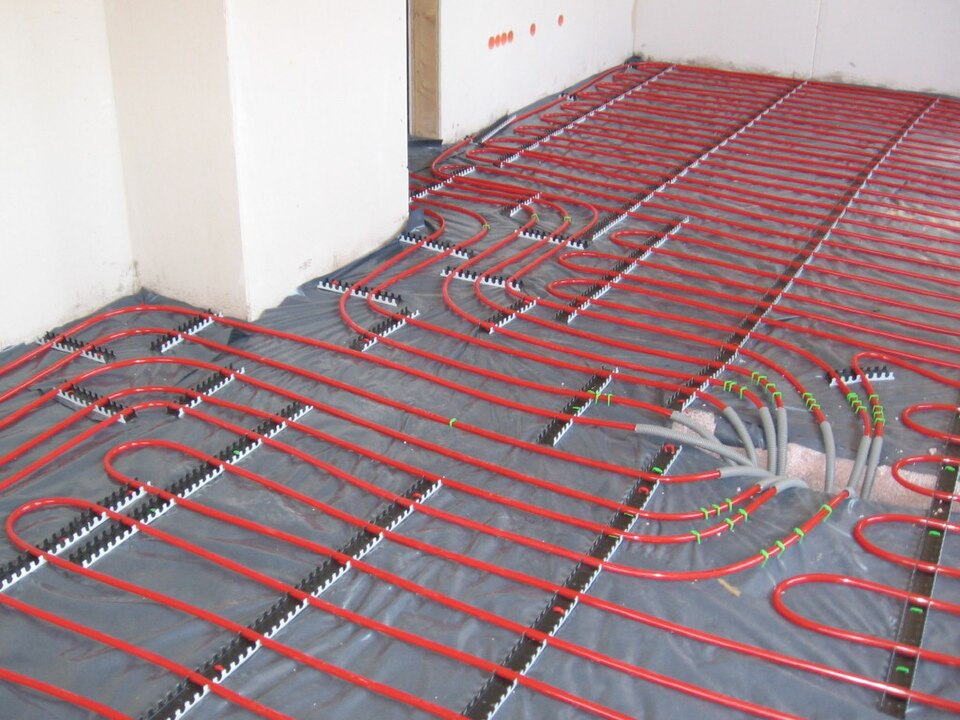
In practice, this makes the guidance on moisture and acclimatisation especially relevant, as is the guide to underfloor heating, where moisture content changes with the heating season.
Niemz reports that heat treatment reduces swelling and shrinkage behaviour to up to 50% of the value for untreated wood, but at a cost: hardness and strength fall and the wood becomes slightly brittle4.
How does beech install, sand and finish?
The Wood Database says beech has overall good workability: it machines well and glues, finishes and turns well. It also responds to steam bending1.
On site, NWFA's article recommends 18-gauge fasteners when nailing beech, warns that tongues can split with staples or excessive compressor pressure, and advises installers to plan for considerable movement. It says beech sands satisfactorily when the proper sequence is followed but may be difficult to stain2. If you plan a stained finish, ask your installer to test on offcuts; our guides to wood floor finishes and sanding and refinishing explain the options.
Beech is considered non-durable or perishable and has poor resistance to insect attack, so it belongs indoors in dry conditions1.
What are the sustainability notes?
The Wood Database states that European beech is not listed in the CITES Appendices1. We have not cited a forest-certification figure for beech flooring; if you need certified timber, ask the supplier for FSC or PEFC chain-of-custody documents.
How does beech compare with other species?
- European oak: softer, with lower tangential shrinkage (8.4% against 11.7%).
- European ash: similar hardness, with lower tangential shrinkage (9.6%).
- Hard maple: a North American hardwood; see its page for figures.
Frequently asked questions
Is beech harder than oak?
How much does beech move compared with oak?
Can beech be nailed without splitting?
What is the difference between steamed and heat-treated beech?
Is European beech a protected species?
Sources
- European Beech, The Wood Database. Accessed .
- Species Specs: Beech, Hardwood Floors Magazine (NWFA). Accessed .
- Fagus sylvatica, EUFORGEN (European Forest Genetic Resources Programme). Accessed .
- Verwendungsmöglichkeiten von Buchenholz, waldwissen.net (WSL), after P. Niemz, ETH Zürich. Accessed .
- English Oak, The Wood Database. Accessed .
- European Ash, The Wood Database. Accessed .
This page compiles published data from the sources listed above. Read our editorial policy. Last updated .