
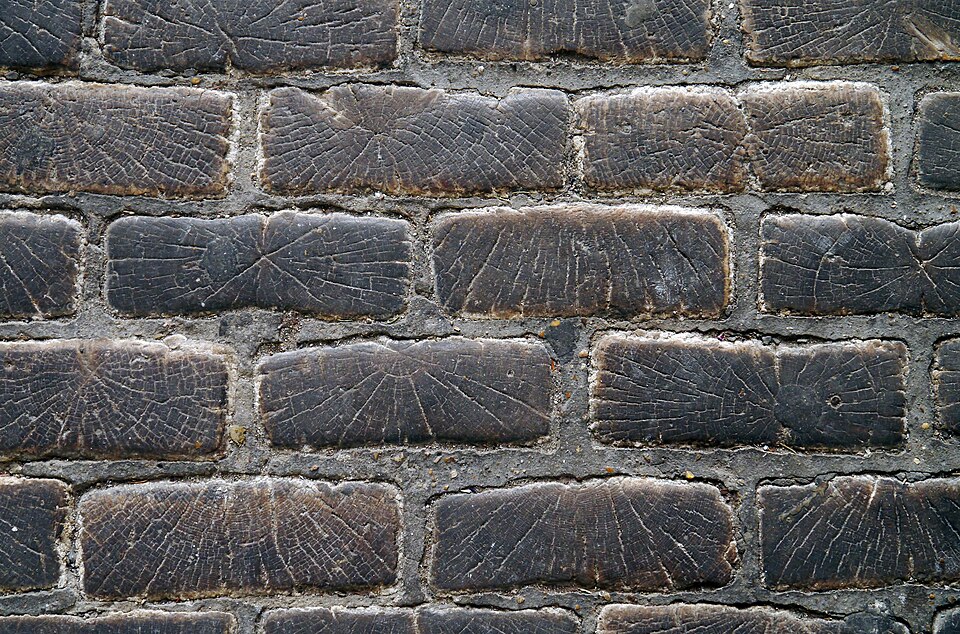
Caring for an end-grain wood block floor
Care for an end-grain floor as you would any wood floor, with frequent dry cleaning, a barely damp mop and the finish maker's products, but…
Practical, sourced guides to wood floor finishes, installation methods, underfloor heating, moisture, cleaning, sanding, hardness and flooring standards.
Care for an end-grain floor as you would any wood floor, with frequent dry cleaning, a barely damp mop and the finish maker's products, but…

Care for a wood floor with daily dry sweeping or dust mopping, vacuuming with the hard-floor setting, a well wrung-out damp mop and a…
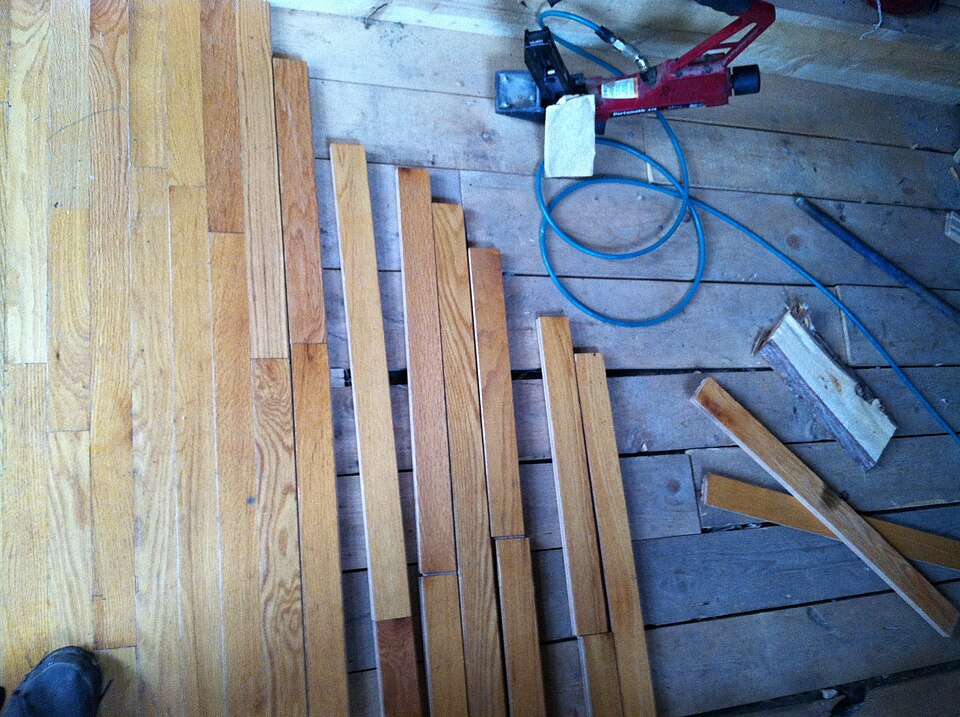
Choosing between solid and engineered wood flooring depends on subfloor conditions, heating systems and expected lifespan. The National…
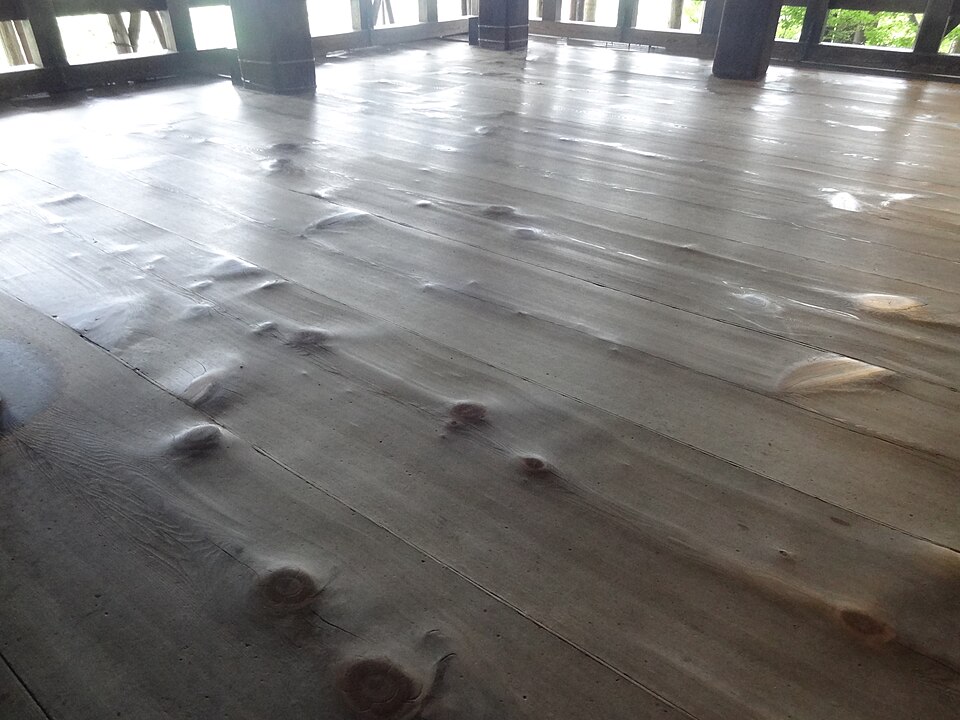
In Europe a wood floor's reaction to fire is given as a class from Afl to Ffl; most coated wood floors are Cfl-s1 or Dfl-s1, which depends…
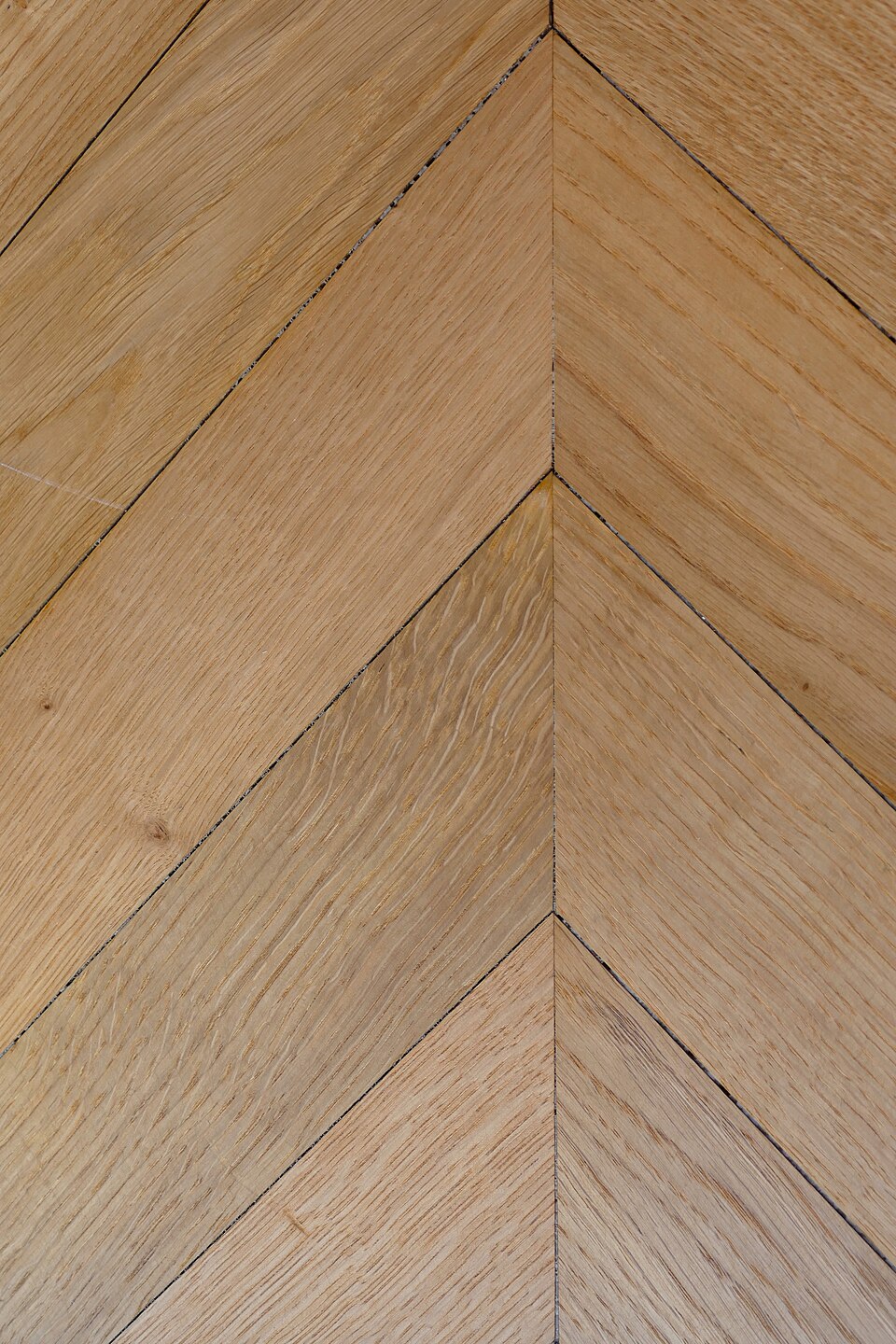
The fundamental distinction between herringbone and chevron parquet lies in how the board ends are cut and meet: herringbone uses…
The Janka rating is the load needed to push an 11.28 mm (0.444 in) steel ball into wood to half its diameter, quoted in pounds-force (lbf)…
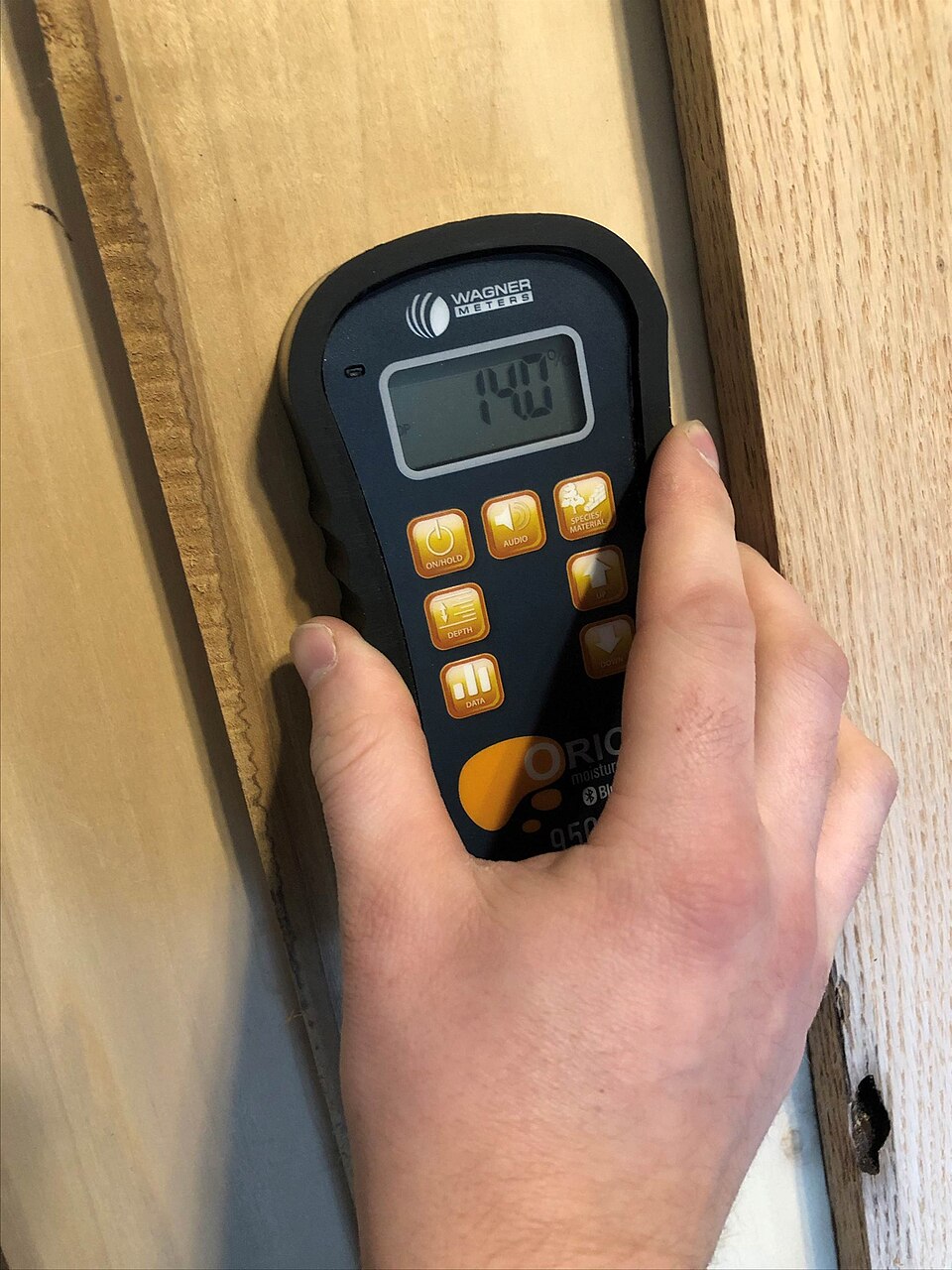
Wood settles at an equilibrium moisture content set by the surrounding relative humidity, roughly 6% at 30% RH and 9% at 50% RH at room…
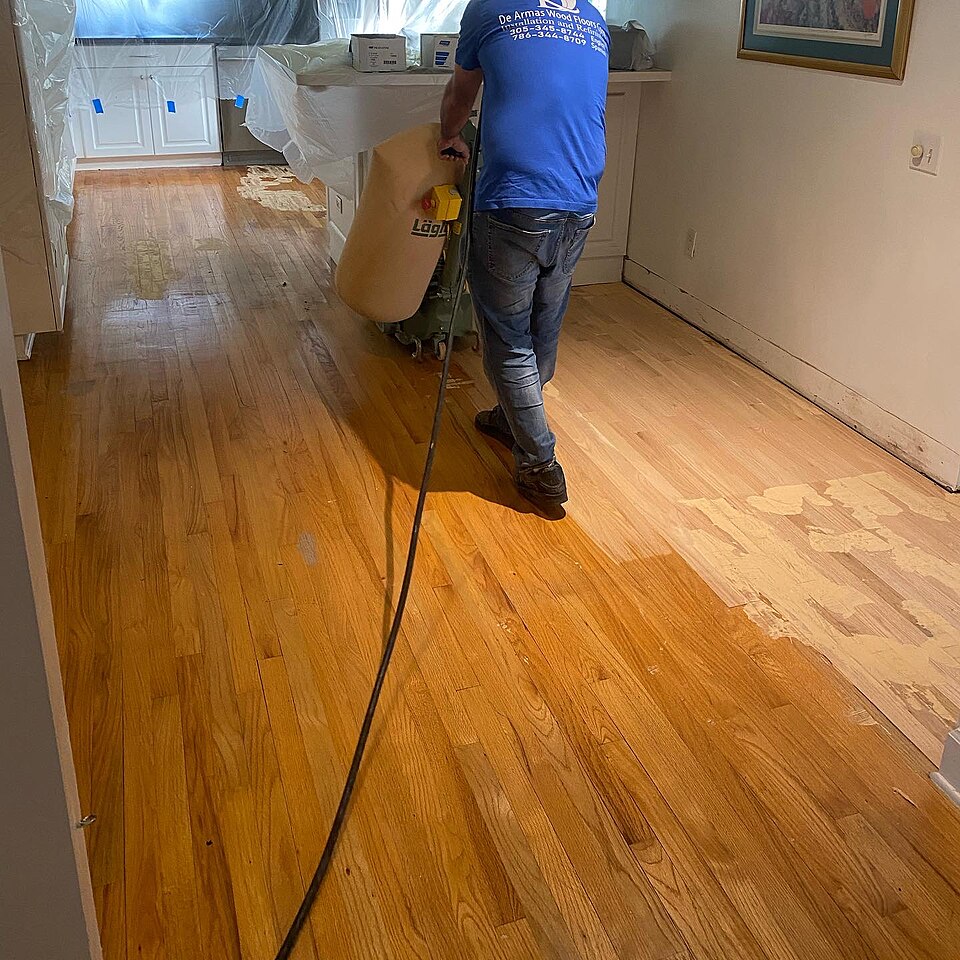
Solid wood floors can be sanded and refinished numerous times, while engineered floors can be sanded only as often as their wear layer…
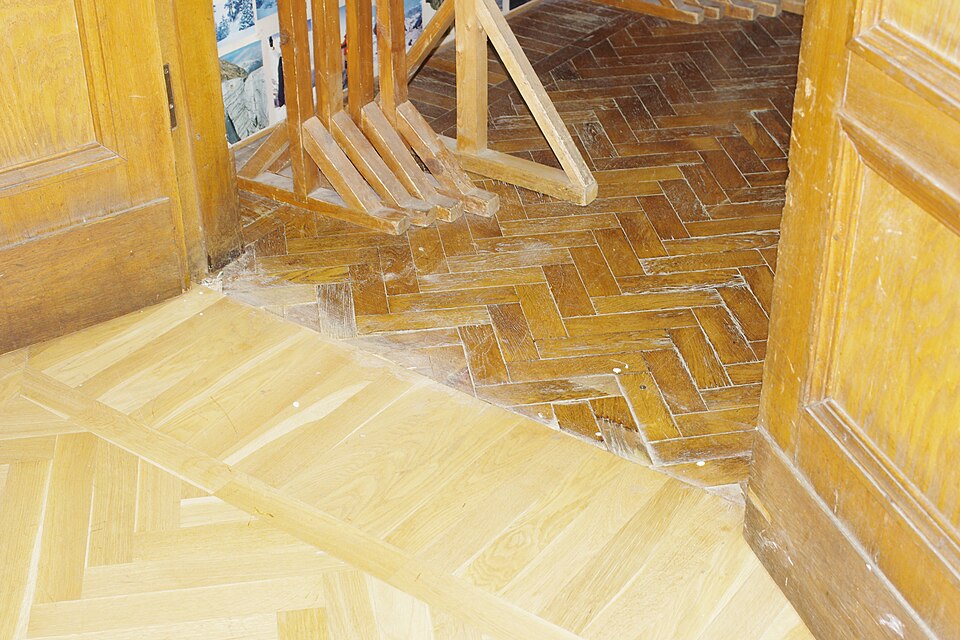
Usage classes are two-digit codes that rate a floor covering for an intensity of use: the tens digit gives the setting (2 domestic, 3…
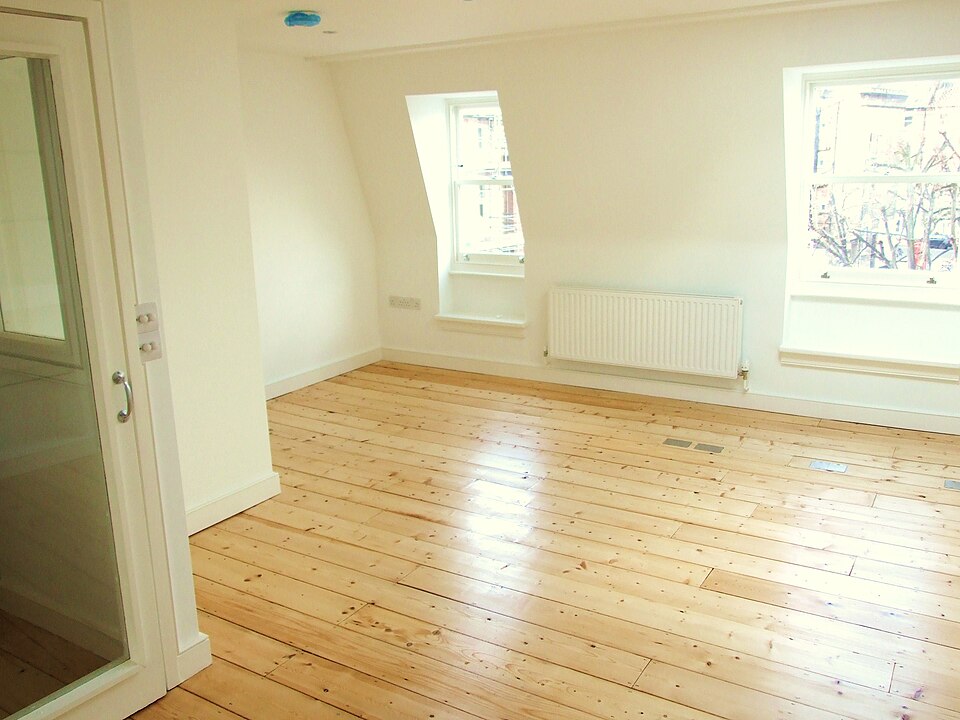
Wood floor finishes fall into two families: penetrating oils and hardwax oils, which keep the natural surface and are easy to spot-repair,…
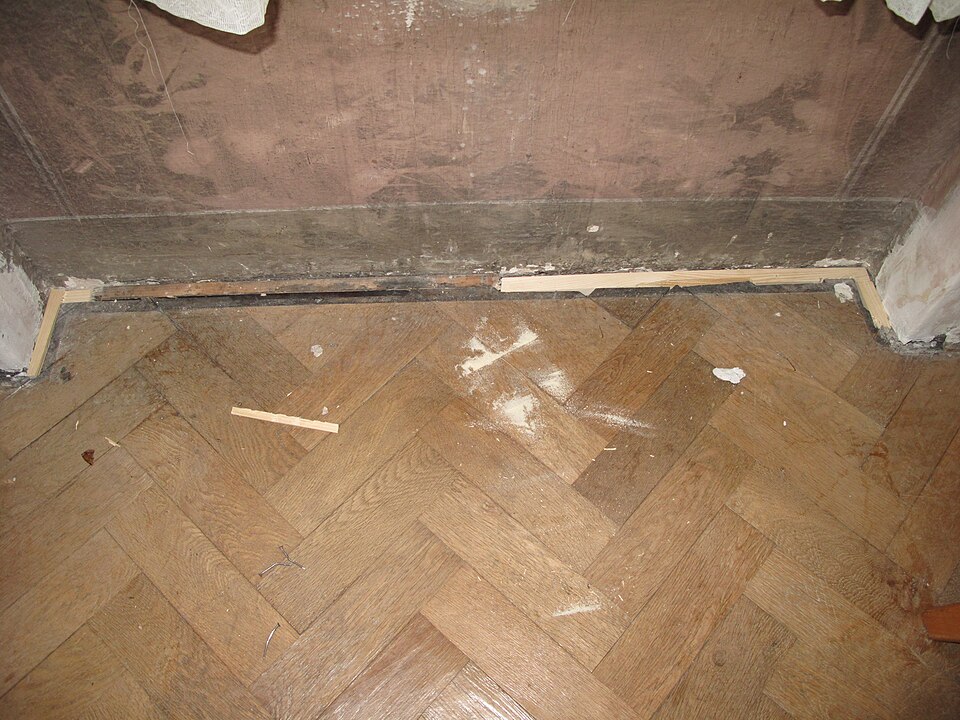
Wood floors are fixed in three main ways: nailed or stapled to a wood subfloor, glued to the subfloor, or floated on an underlay. NWFA says…
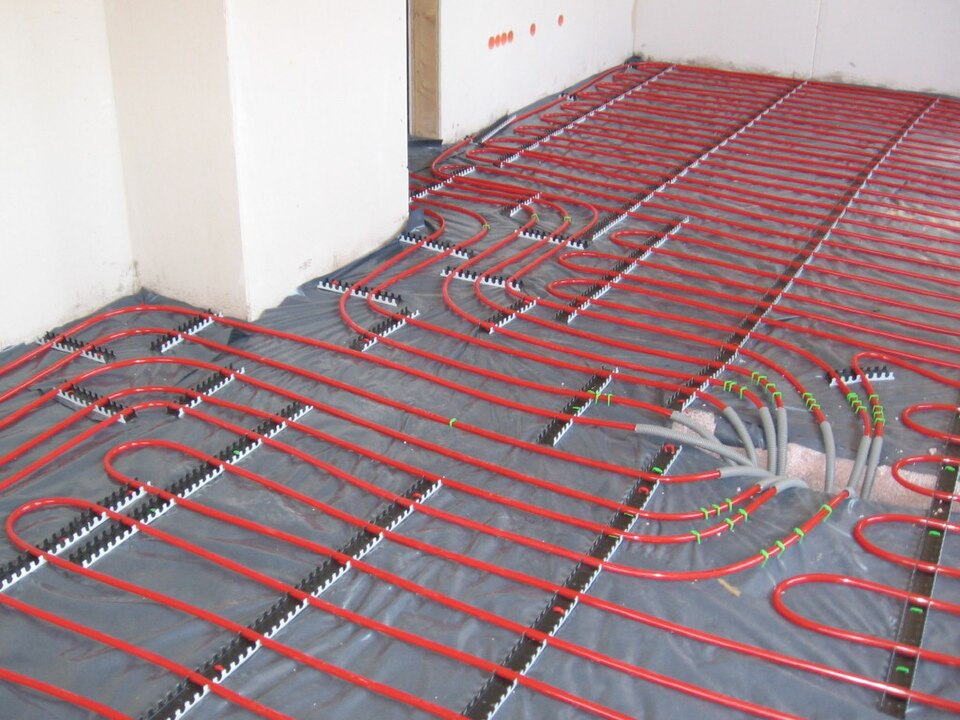
Most wood flooring can go over underfloor heating if the surface temperature is capped, usually at 27 °C (80 °F), the whole build-up stays…
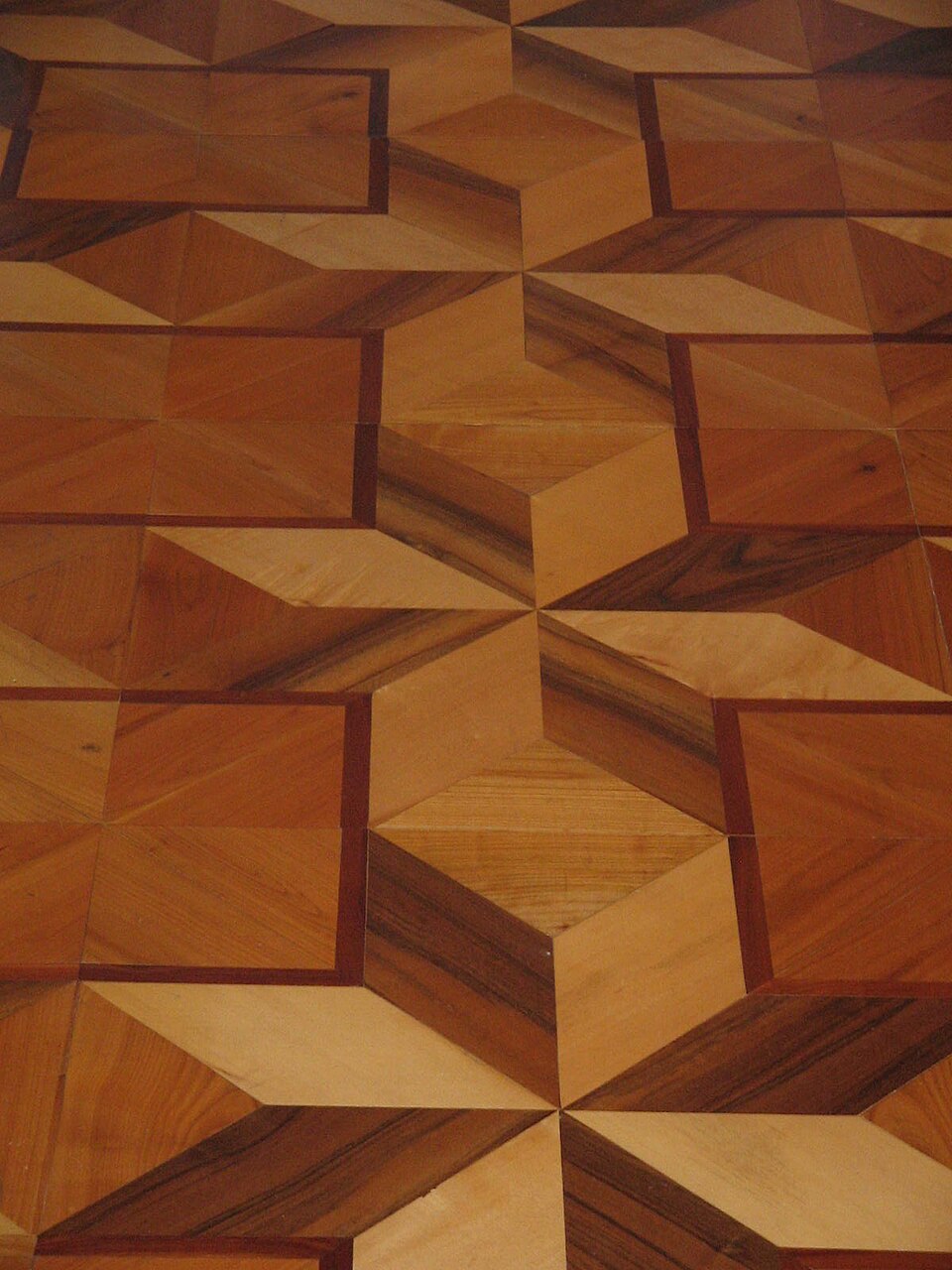
In Europe, product standards from CEN define each type of wood floor: EN 13226 for solid parquet elements, EN 13629 for solid boards, EN…
These guides cover the decisions and jobs that come after choosing a species and a format: how the floor is finished, how it is fixed down, how it copes with heating and humidity, how to look after it, and which standards the products are made to.
Every guide cites its sources, and technical terms are defined in the glossary.
Each guide opens with a short answer, then explains the reasoning and gives the figures that published sources support. Manufacturers' instructions for a specific product always come first. Where a product's technical sheet differs from the general guidance here, follow the product sheet and the advice of a qualified installer.