

Caring for an end-grain wood block floor
Care for an end-grain floor as you would any wood floor, with frequent dry cleaning, a barely damp mop and the finish maker's products, but…
Wood flooring, sourced
The reference guide to wood flooring: species, patterns, finishes, makers and installers.
Care for an end-grain floor as you would any wood floor, with frequent dry cleaning, a barely damp mop and the finish maker's products, but…
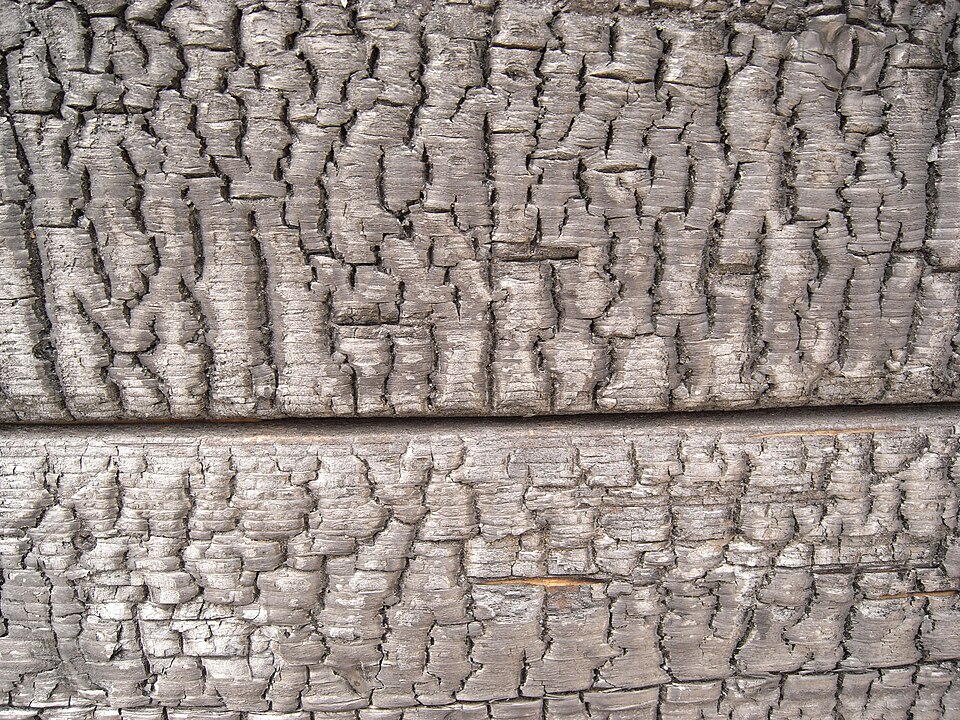
Charred wood, called yakisugi or shou sugi ban, is timber whose surface has been deliberately burnt to a black char layer, a technique used…

In Europe a wood floor's reaction to fire is given as a class from Afl to Ffl; most coated wood floors are Cfl-s1 or Dfl-s1, which depends…

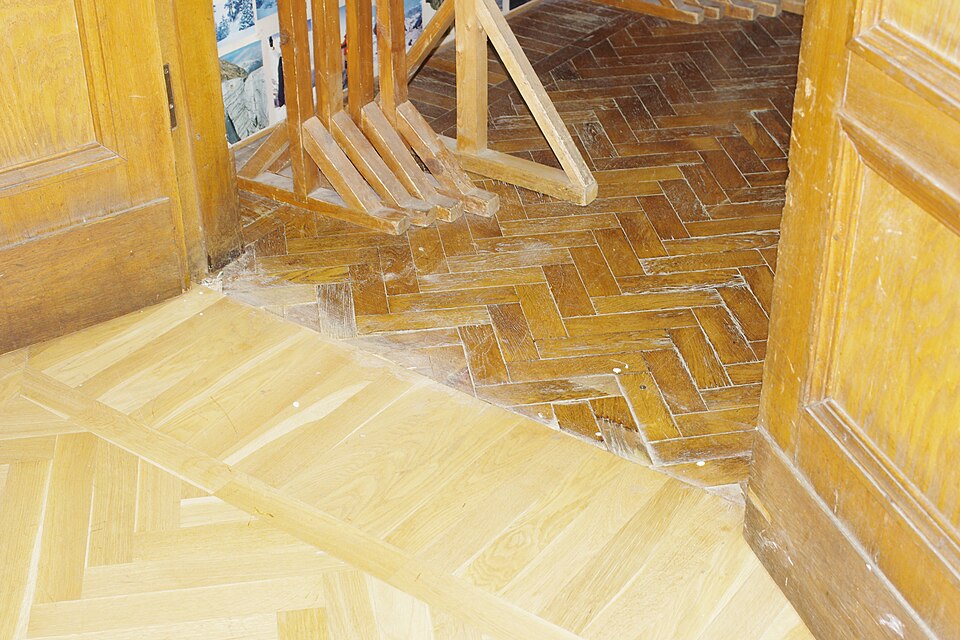
Point de Hongrie, or Hungarian point, is the French name for a parquet whose blades are laid like bâtons rompus but with their ends cut on…

Smoked or fumed oak is oak darkened by exposure to ammonia vapour, which reacts with the tannins in the wood and turns it brown. It is a…
Usage classes are two-digit codes that rate a floor covering for an intensity of use: the tens digit gives the setting (2 domestic, 3…
| Zambezi teak | 2,990 lbf |
|---|---|
| Jatoba (Brazilian cherry) | 2,690 lbf |
| Hickory | 1,880 lbf |
| Merbau | 1,840 lbf |
| European ash | 1,480 lbf |
Choosing a wood floor means weighing many things at once: the species, how the boards are built, the pattern they are laid in, the finish, the subfloor, and whoever installs it. Mister End Grain brings that knowledge together in one place. Every figure on this site, from a Janka hardness value to a recommended moisture range, links straight to the source it comes from, so you can check it yourself.
Pages are compiled from published sources: forest products research laboratories, standards bodies, trade associations, reference databases and manufacturers' own technical documents. Where sources disagree, we show the range rather than pick a number. Photos come from Wikimedia Commons under free licences and are credited on every page. Read the editorial policy for the full method, or start with the glossary if a term is new to you.