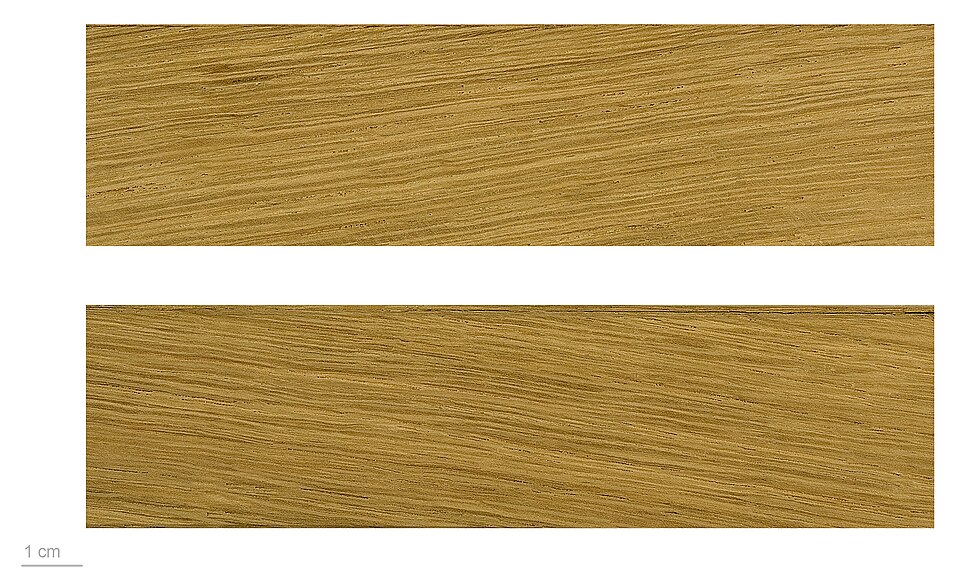
Solid wood flooring
Quick answer
Solid wood flooring is made of boards cut from one piece of timber, top to bottom, so it can be sanded and refinished many times. In the United States ¾ in is the most common thickness. It suits rooms on or above ground, and it needs a stable indoor climate, particularly over underfloor heating.
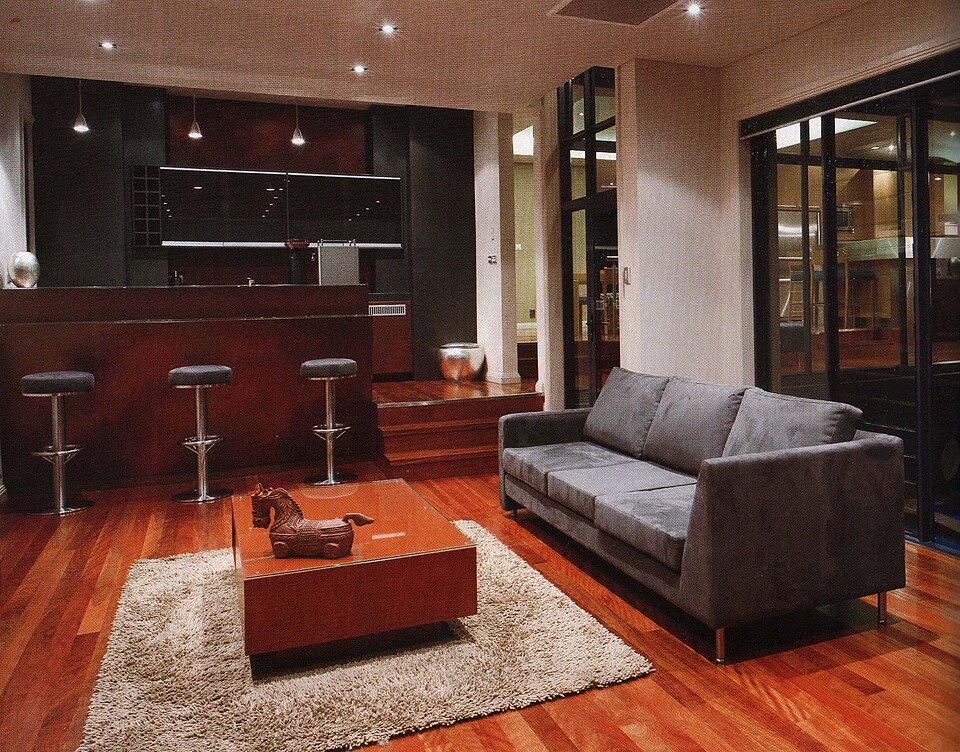
Solid wood flooring is exactly what the name suggests: boards cut from one piece of timber, so the wood runs unbroken from the surface to the underside1. Because there is no separate wear layer to wear through, a solid floor can be sanded and refinished numerous times during its service life2. In the United States, ¾ in is the most common thickness2.
What is solid wood flooring?
The National Wood Flooring Association (NWFA) defines solid wood flooring as "a solid piece of wood from top to bottom"1. It is one of three categories in the NWFA's definition of real wood flooring, alongside engineered wood flooring and composite engineered flooring, which has real wood only on the wearable surface1. For a detailed point-by-point evaluation of their structural and heating differences, read our guide to engineered vs solid wood flooring.
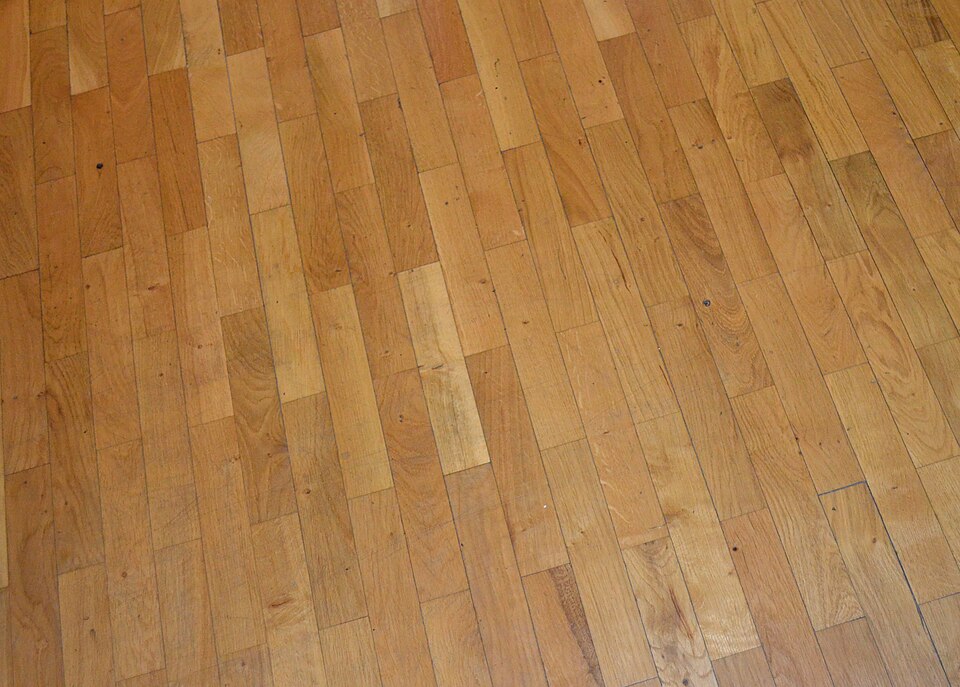
Solid boards come as strips, planks and wide planks. In the NWFA's industry-average study, a board is classed as strip when its face is under 3 in wide, plank when it is between 3 and 5 in, and wide plank when it is over 5 in2. See our page on wide plank flooring for how width affects movement and installation. The same study counts parquet, including herringbone and chevron, as solid flooring too: parquet is any pattern that is geometric rather than linear2.
Some solid floors are not a single strip of timber at all. Junckers, for example, makes its solid hardwood boards from two rows of staves joined by a glued double dovetail, in 14 mm and 22 mm thicknesses and a 129 mm width6. That is one manufacturer's construction, but it shows that "solid" describes the wood through the thickness, not a single sawn plank.
How thick is solid wood flooring?
The NWFA study names ¾ in as the most common thickness2. Thinner solid flooring exists. The NWFA's installation guidelines refer to a "thin-classification" of solid flooring that is less than ¾ in thick, and they say that over a solid-board subfloor it needs either a replacement subfloor or a double-layer subfloor system3.
In metric markets the figures differ. Junckers lists nominal thicknesses of 14 mm and 22 mm, with measured values of 13.8 mm and 21.8 mm (each within 0.2 mm)6. Always check the thickness against the subfloor and installation method the manufacturer allows.
How many times can solid wood flooring be sanded?
The honest answer is that the industry body publishes no single number. The NWFA says only that solid wood "can be sanded and refinished many times"4. Its consumer guidance on refinishing says the number of times a floor can be sanded varies with contractor skill, equipment, wear layer thickness, floor flatness and floor condition, and it gives no figure5.
Manufacturers do quote counts for their own products. Junckers states that, because there is no thin wear layer, its floors may be sanded between eight and ten times7. Treat that as a claim about one product range, not a rule for every solid floor. If you plan to refinish, read our guide to sanding and refinishing first.
Where does solid wood flooring suit?
Solid wood is intended for rooms on or above ground. The NWFA's consumer site says it "can be used in any room that is on or above ground"4, and its installation guidelines say solid wood floors should not be installed below grade, meaning below ground level, unless the manufacturer recommends otherwise3. For basements the NWFA's consumer site points to engineered flooring instead, describing it as ideal for basement installations4.
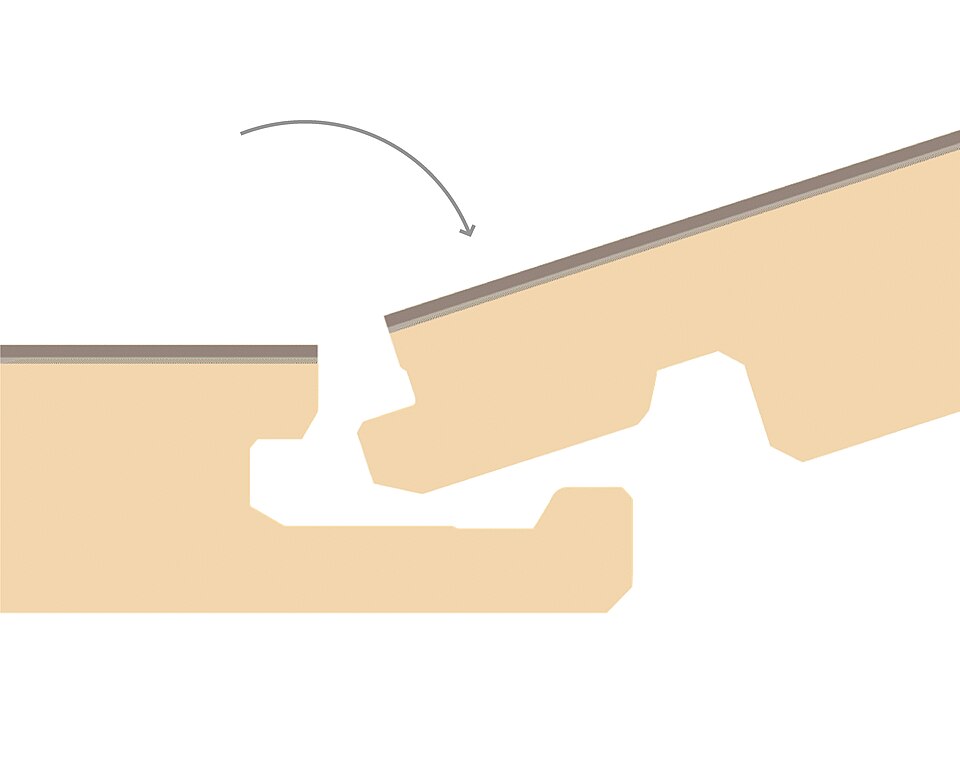
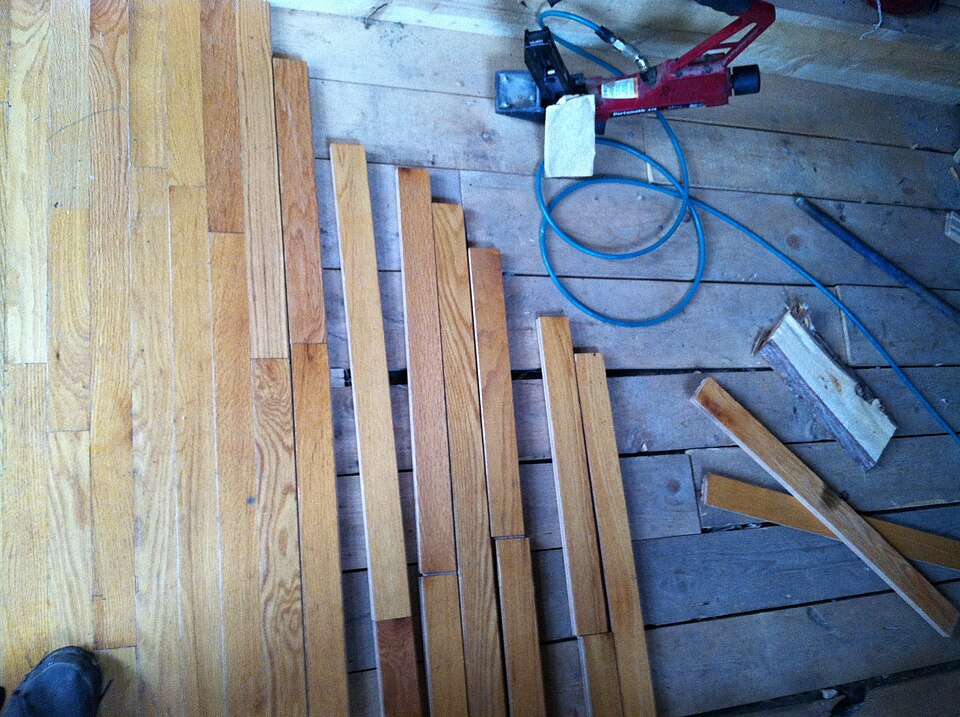
Solid wood can be fixed in several ways. The NWFA guidelines have separate chapters for glue-down, nail-down and floating installation, and the method depends on the product and the subfloor3. Our guide to installation methods explains the choices.
What are the humidity and underfloor heating limits?
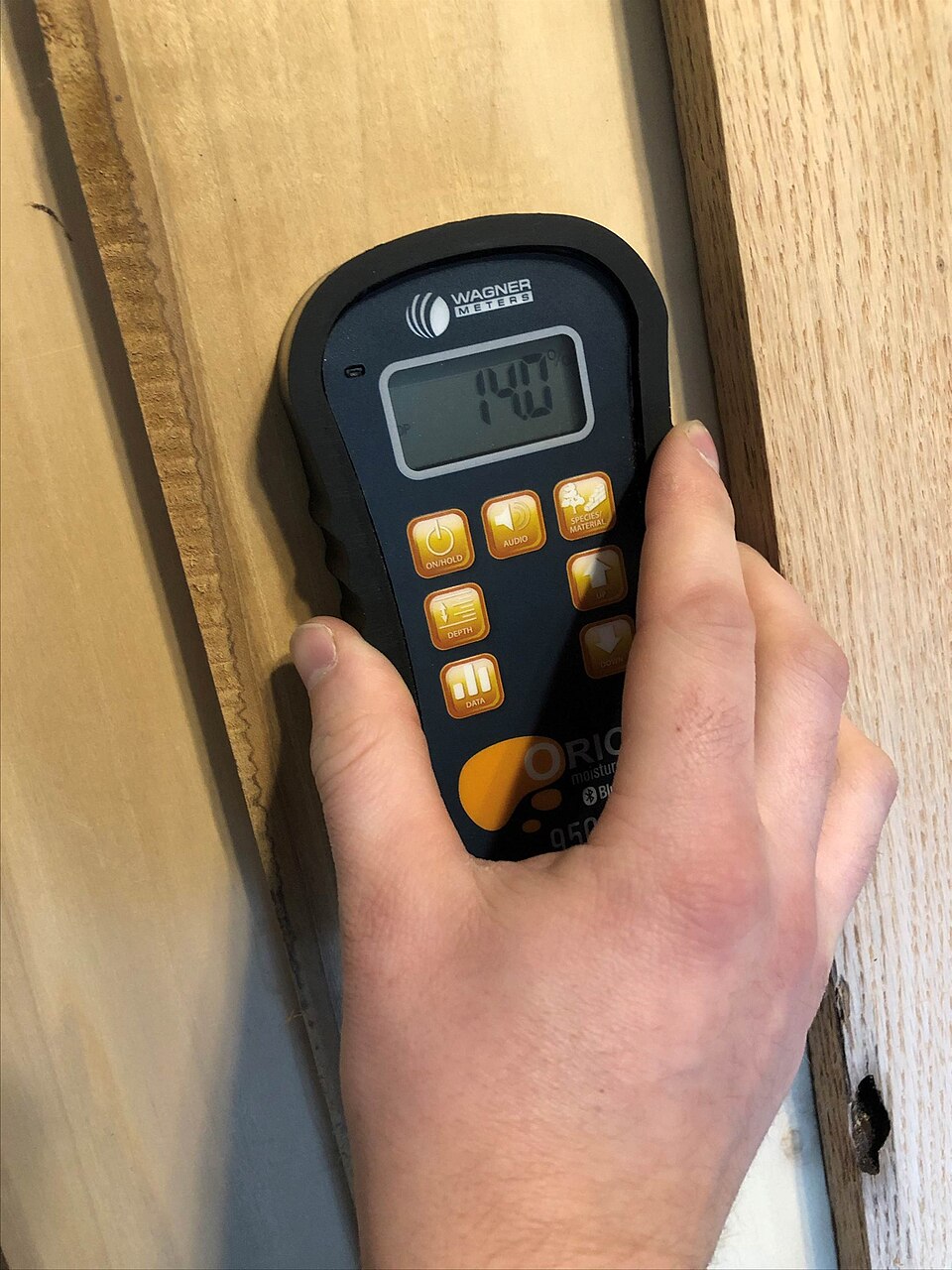
Wood takes up and gives off moisture, so a solid floor moves as conditions change3. As a general rule for solid wood, the NWFA defines appropriate conditions as an interior kept between 30% and 50% relative humidity and between 60 and 80 degrees Fahrenheit. It adds that some manufacturers dry their products to higher moisture contents (8 to 13%) or lower ones (4 to 9%) for different regions, and that in some climates the ideal humidity range is 45% to 65% or 20% to 40%3.
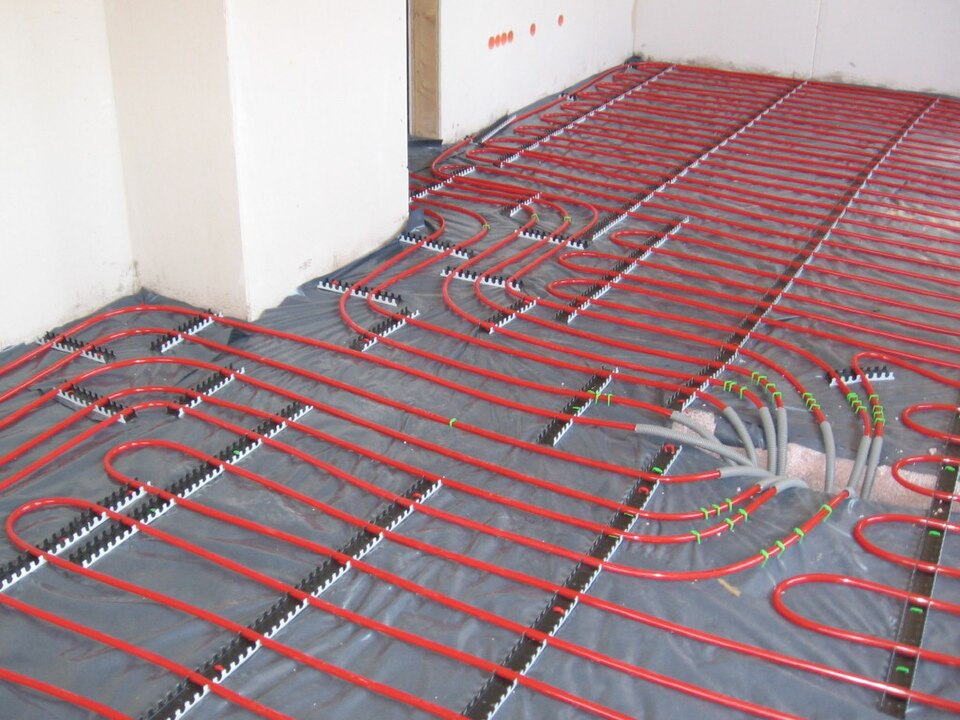
For underfloor (radiant) heating the NWFA says most wood flooring can be installed over radiant heat if every necessary condition is met. Its guidelines add several limits3:
- Flooring made for a moisture content above 9%, or for conditions above 50% relative humidity, should not be used over radiant heating unless the manufacturer recommends it.
- Narrow boards move less than wider boards of the same species and cut, and quartersawn or riftsawn flooring is more stable in width than plainsawn.
- Less stable species such as hickory, beech and maple are less suitable over radiant heat.
- Subfloor surface temperature should never exceed 80°F at installation.
- A supplemental humidity control system is often necessary to hold 30% to 50% relative humidity.
Manufacturers do not all agree on solid versus engineered stability. The NWFA states that engineered flooring is in general more dimensionally stable than solid, though not every engineered product suits radiant heat3. Junckers, a maker of solid floors, takes the opposite view for its own boards, saying engineered floors are not more stable than its floors and that it has guaranteed its solid floors for underfloor heating for about 30 years7. Those are company statements, so follow the specific manufacturer's written conditions. Our underfloor heating guide and moisture and acclimatisation guide cover the practical steps.
Which standards apply?
In Europe, solid parquet elements with grooves and/or tongues are covered by EN 13226. The 2009 edition was withdrawn on 4 December 2024 and has been revised by EN 13226:20248. The umbrella standard EN 14342 sets the characteristics, conformity evaluation and marking requirements for wood flooring and parquet, and it refers to the individual product standards9. Our overview of flooring standards puts these in context. Species also matter, so compare options such as European oak before you choose.
Appearance is a separate choice from construction: our guide to wood flooring grades explains how oak is graded from Clear to No. 2 Common, and wood stairs and nosings covers solid treads.
Frequently asked questions
What is the difference between solid and engineered wood flooring?
How many times can solid wood flooring be sanded?
Can solid wood flooring go in a basement?
Can solid wood flooring be used over underfloor heating?
Sources
- NWFA Announces Official Definition of Real Wood Flooring, National Wood Flooring Association. Accessed .
- Environmental Product Declaration: Solid Wood Flooring (industry average), National Wood Flooring Association / ASTM International. Accessed .
- Wood Flooring Installation Guidelines (revised 2025), National Wood Flooring Association. Accessed .
- Types of Wood Floors, National Wood Flooring Association (woodfloors.org). Accessed .
- Refinishing Your Floors, National Wood Flooring Association (woodfloors.org). Accessed .
- 2-Strip Solid Hardwood Floors: product information, Junckers. Accessed .
- Solid versus engineered floors FAQ, Junckers. Accessed .
- EN 13226:2009 Wood flooring - Solid parquet elements with grooves and/or tongues, Genorma (CEN standards catalogue). Accessed .
- EN 14342:2013 Wood flooring and parquet - Characteristics, evaluation of conformity and marking, Genorma (CEN standards catalogue). Accessed .
This page compiles published data from the sources listed above. Read our editorial policy. Last updated .