
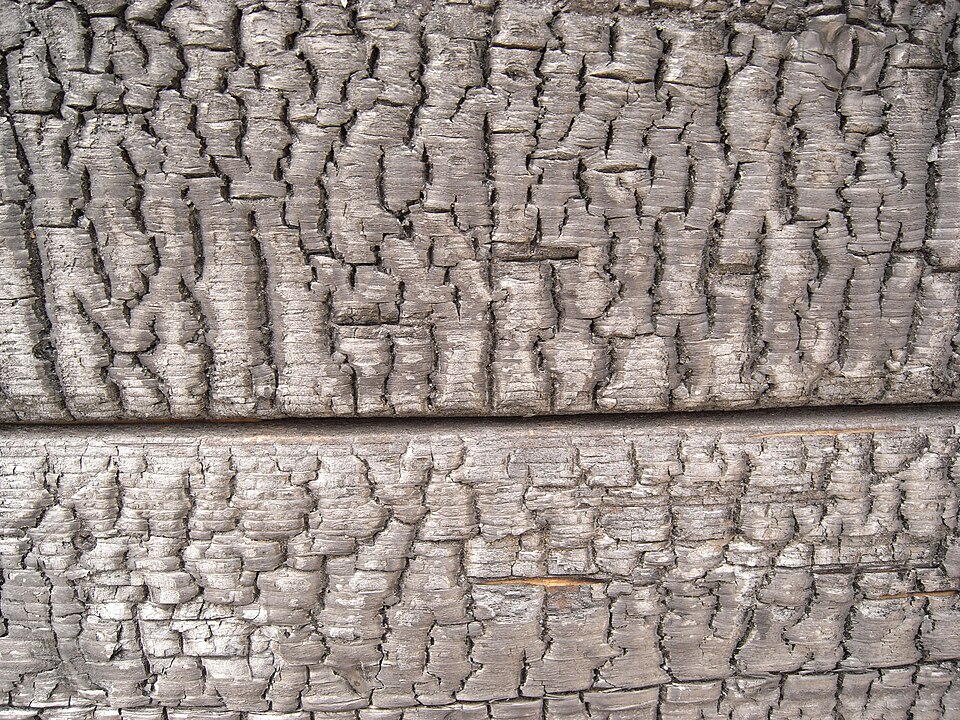
Charred wood (shou sugi ban) flooring
Charred wood, called yakisugi or shou sugi ban, is timber whose surface has been deliberately burnt to a black char layer, a technique used…
Solid, engineered and end-grain wood flooring, plus herringbone, chevron, Versailles and wide-plank layouts: how each is built, laid and best used.
Charred wood, called yakisugi or shou sugi ban, is timber whose surface has been deliberately burnt to a black char layer, a technique used…
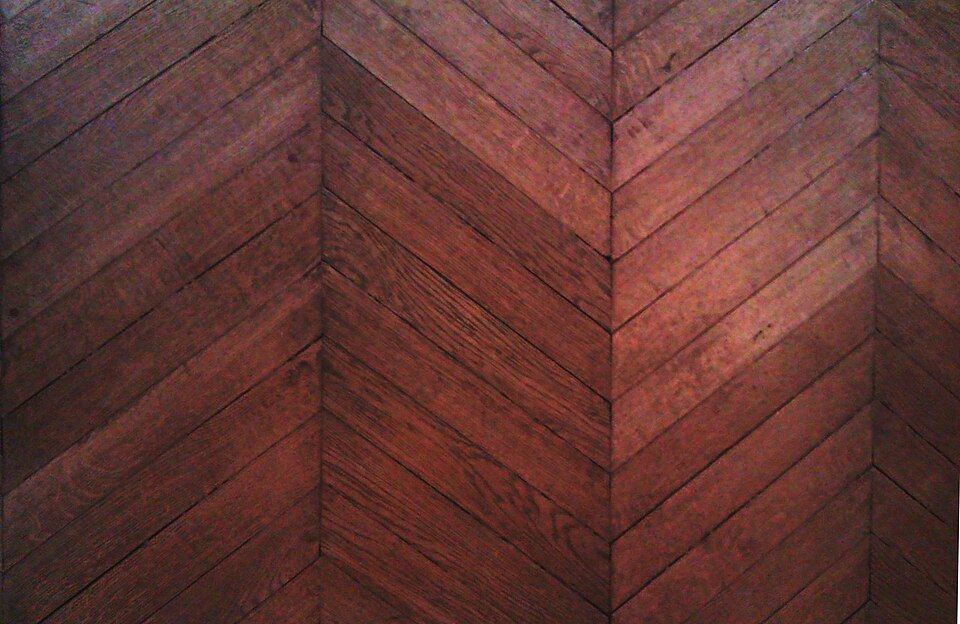
Chevron flooring has both ends of each board cut at an angle, commonly 45 degrees, so the boards meet in a continuous point. In French it…
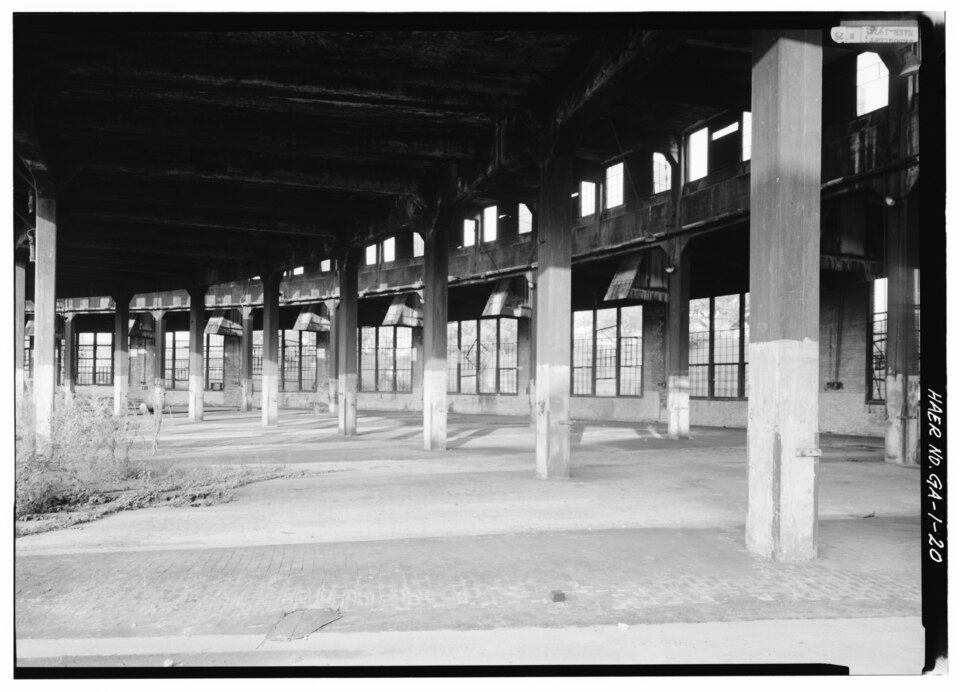
End-grain flooring is made of wood blocks set so that the ends of the growth rings face up, which shows the cut-across pattern of the tree.…
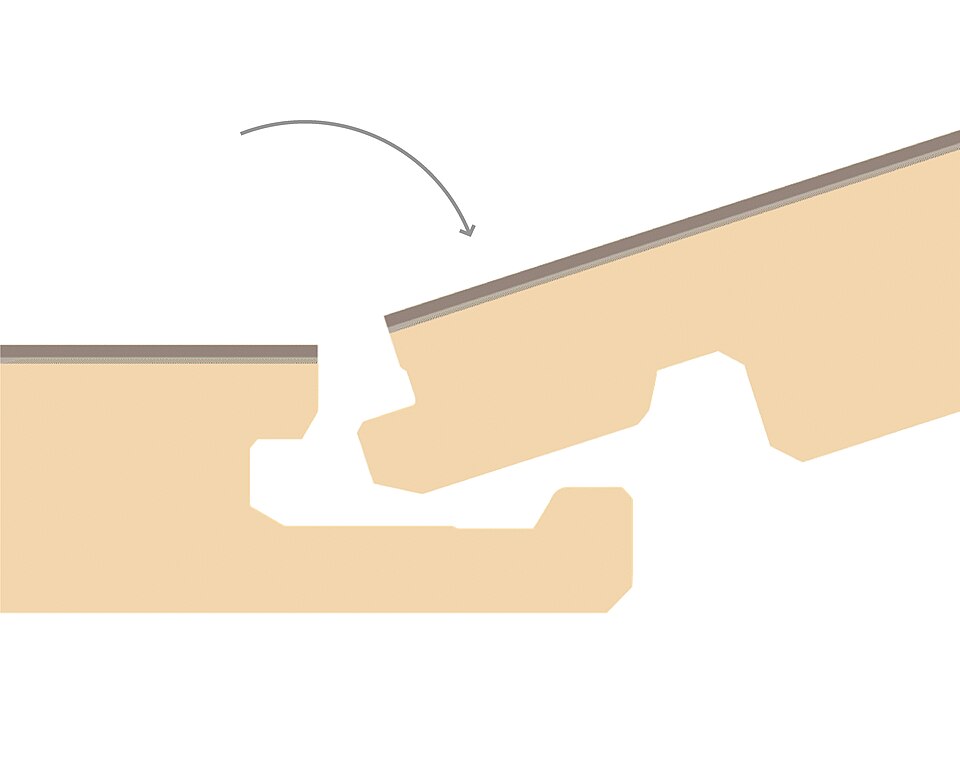
Engineered wood flooring is real wood made from several bonded layers, with a wood wear layer on top that sets the appearance. Finished…
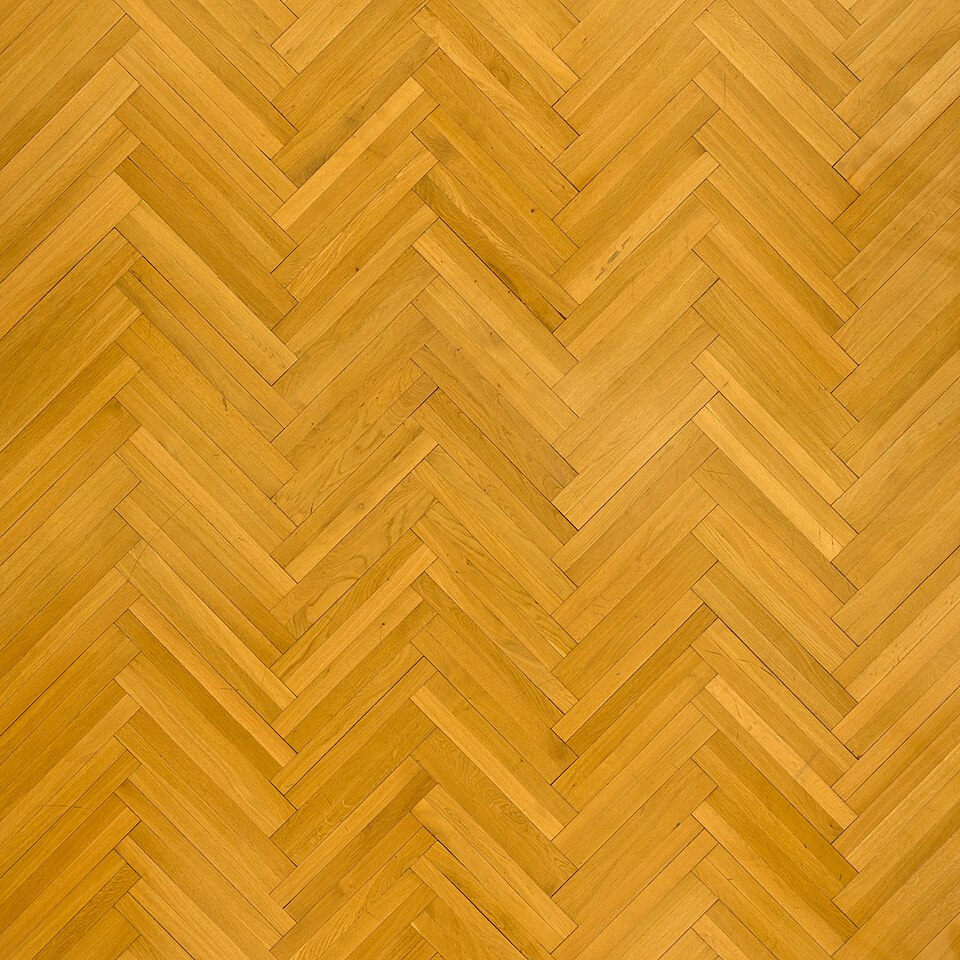
Herringbone is a parquet pattern in which rectangular pieces with square ends meet at right angles to form a broken zigzag. Because the…
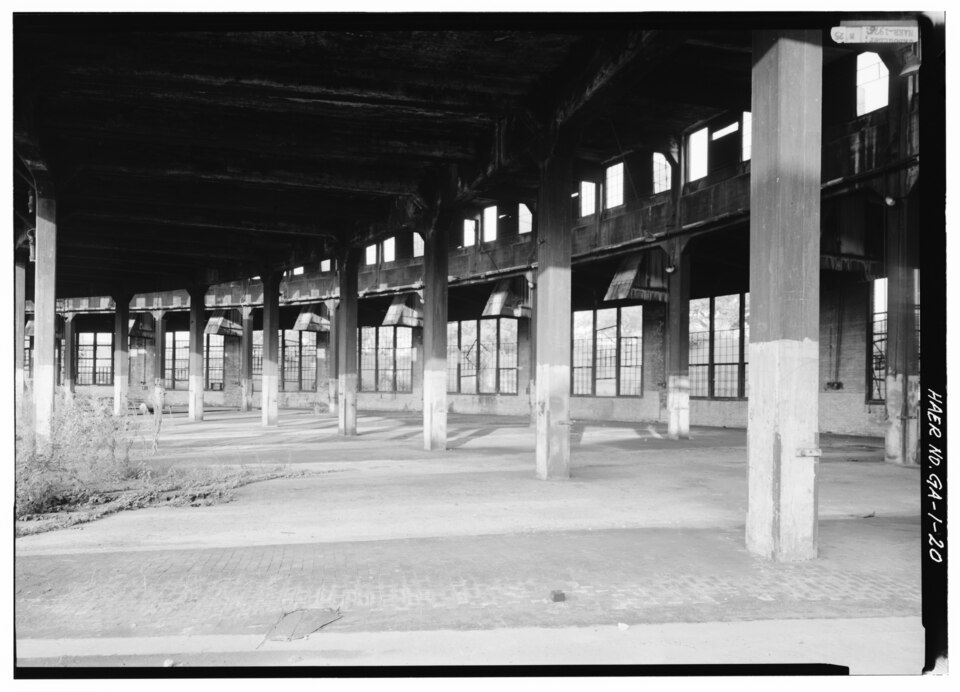
Industrial wood block flooring consists of solid timber blocks oriented with their end grain facing upwards to absorb severe mechanical…
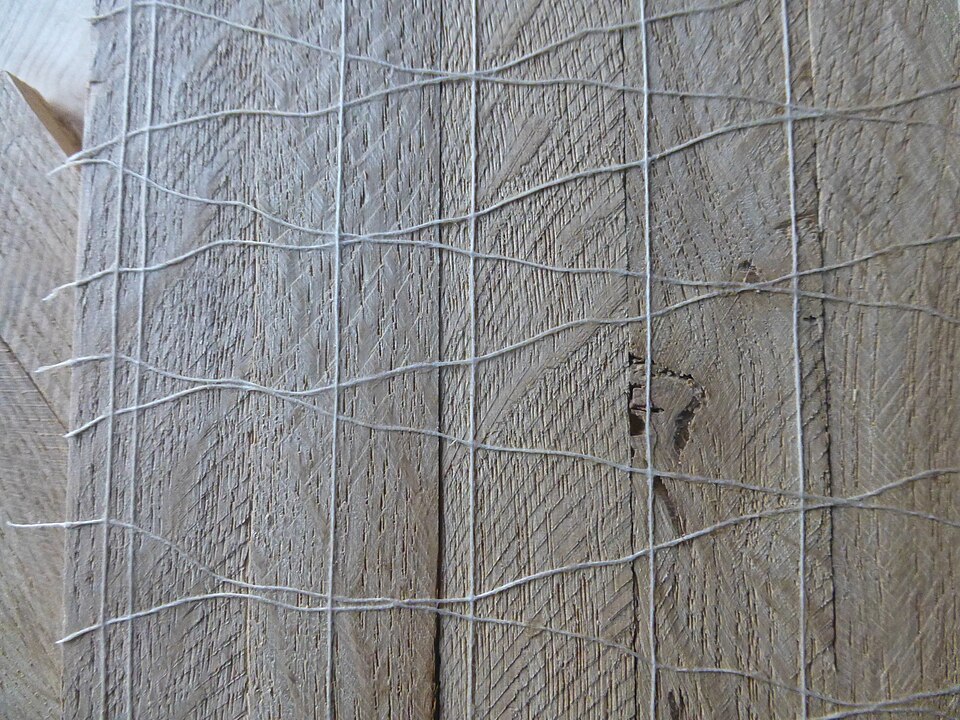
Mosaic parquet is a traditional solid wood flooring format composed of small, slim finger slats—typically 8 mm thick, 22.8 mm wide, and 160…
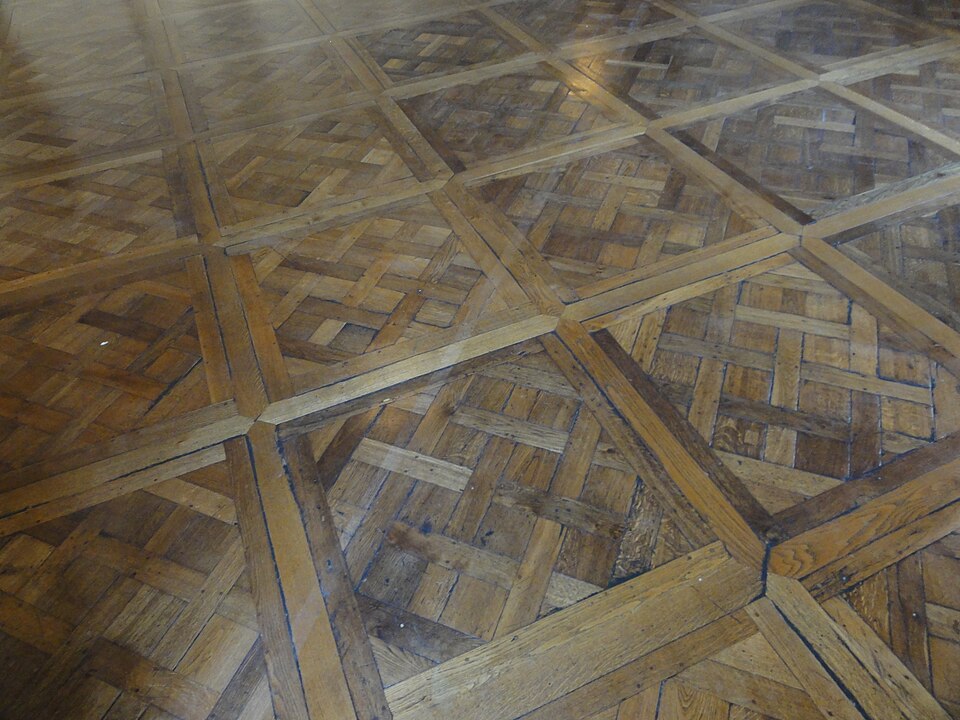
Parquet de Versailles is a floor of pre-assembled square panels of oak, taking its name from the Château de Versailles. Parquet laid in…
Point de Hongrie, or Hungarian point, is the French name for a parquet whose blades are laid like bâtons rompus but with their ends cut on…
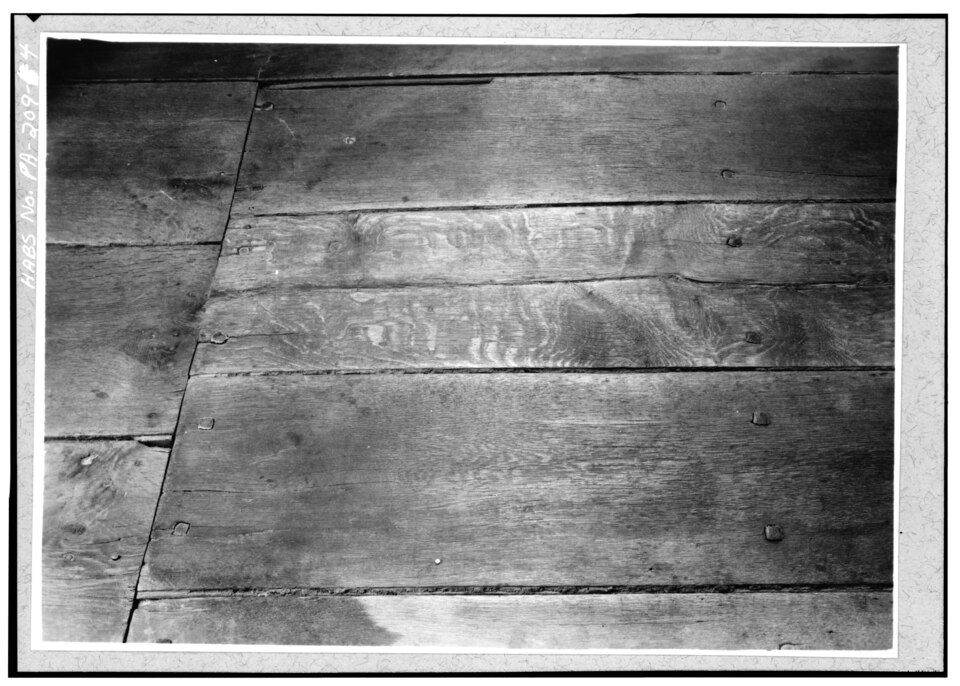
Reclaimed wood flooring is made from timber taken from an earlier use, such as old buildings, and milled into floorboards. The NWFA says…
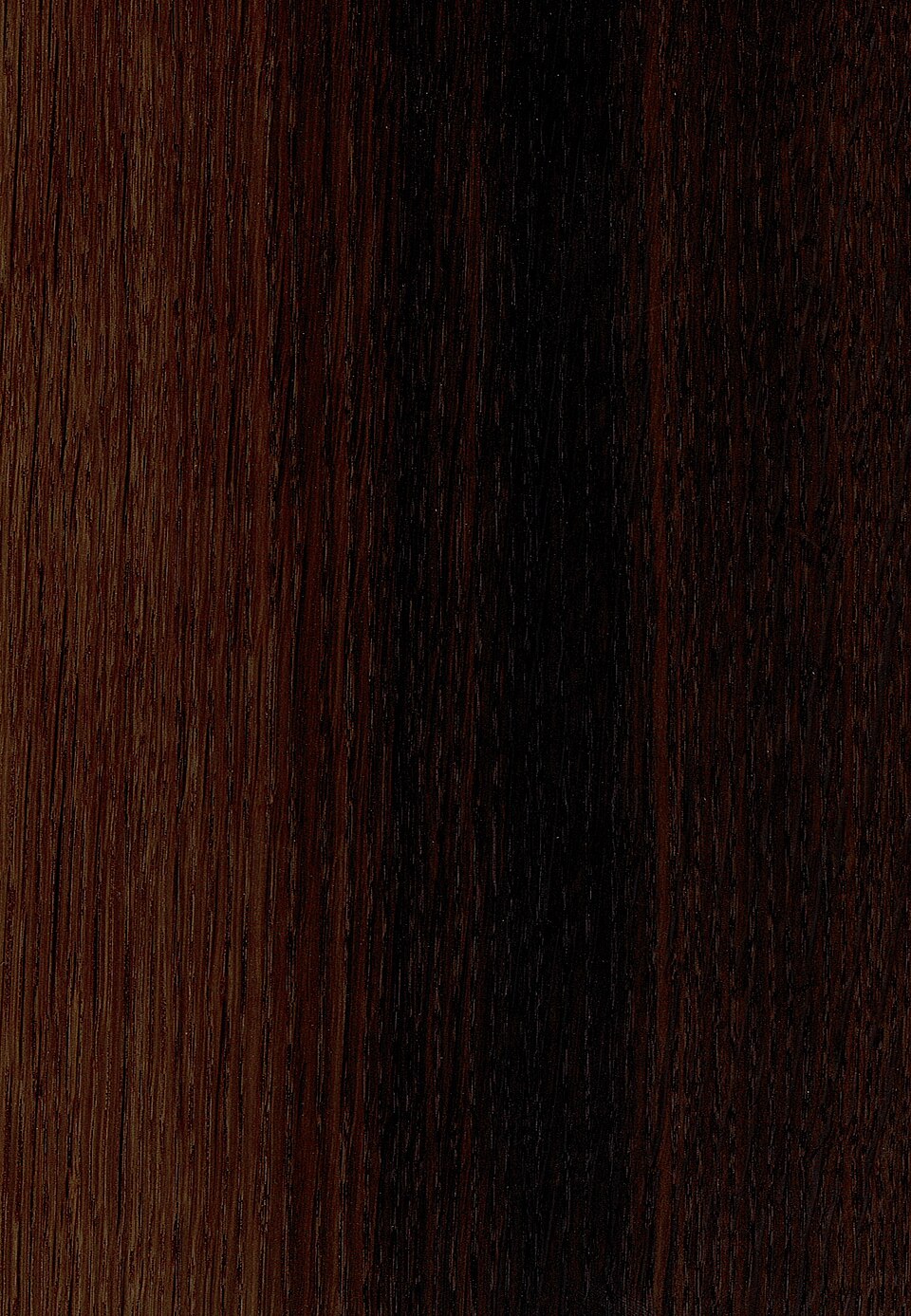
Smoked or fumed oak is oak darkened by exposure to ammonia vapour, which reacts with the tannins in the wood and turns it brown. It is a…
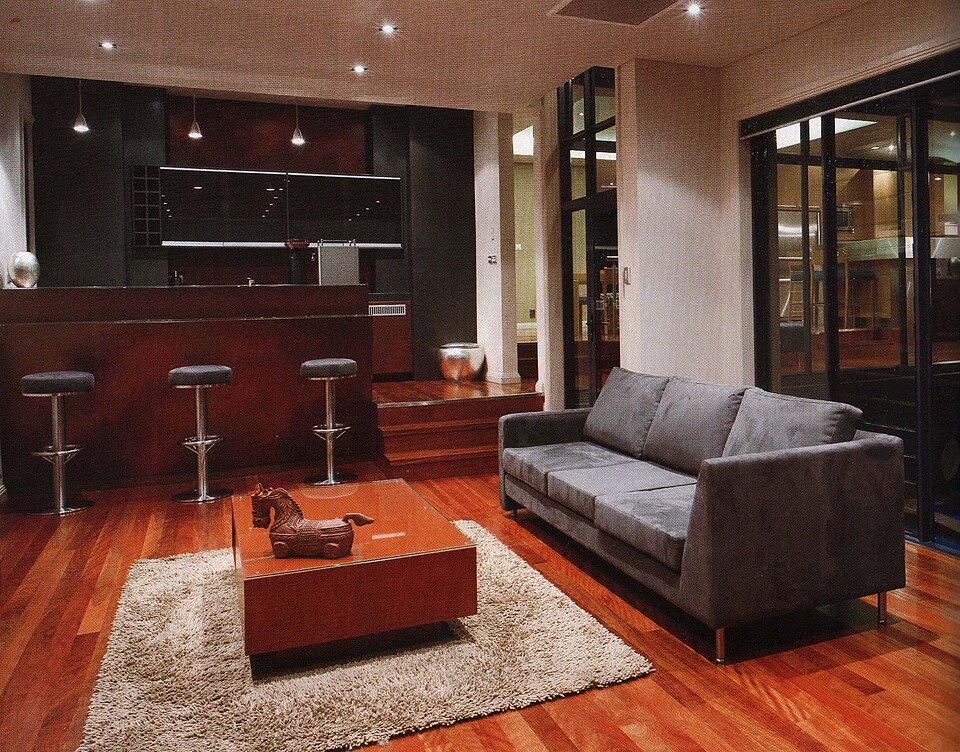
Solid wood flooring is made of boards cut from one piece of timber, top to bottom, so it can be sanded and refinished many times. In the…
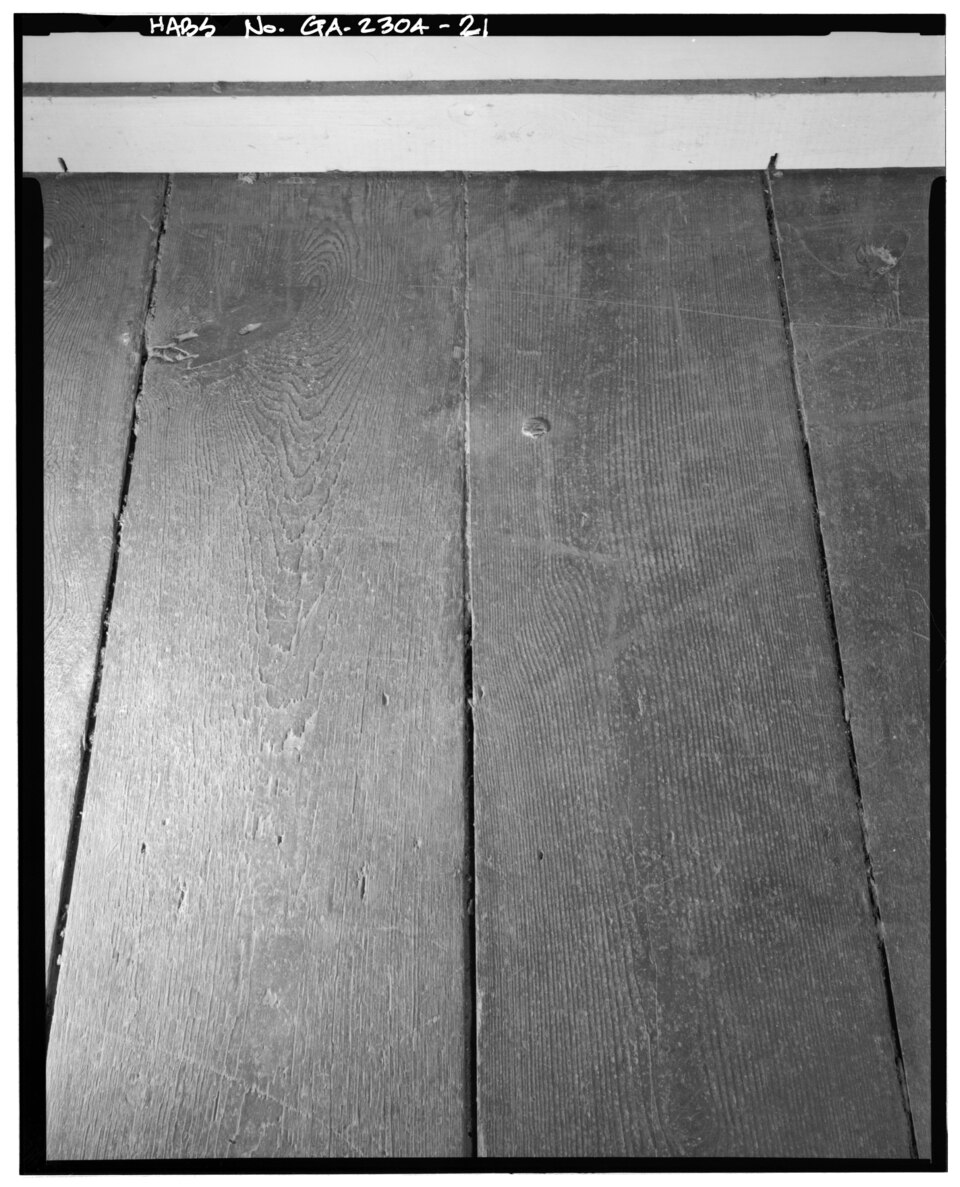
In US industry guidance, wide plank flooring is any solid or engineered plank wider than 5 in; a UK supplier uses 180 mm and above. Wide…
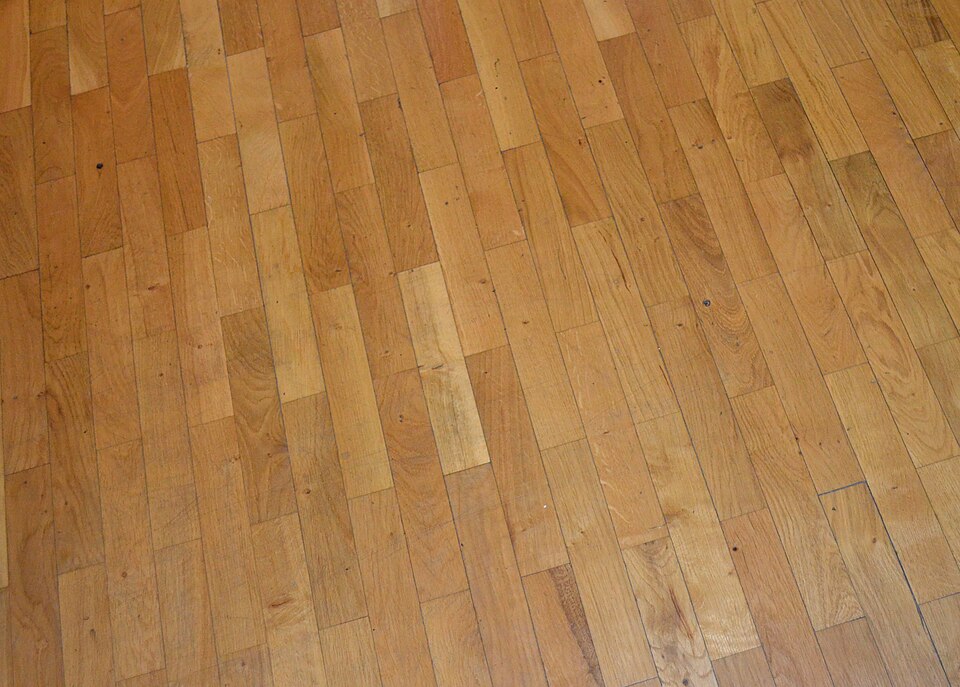
A wood flooring grade describes appearance, not strength. In the United States, the NWFA/NOFMA standard grades unfinished oak as Clear,…
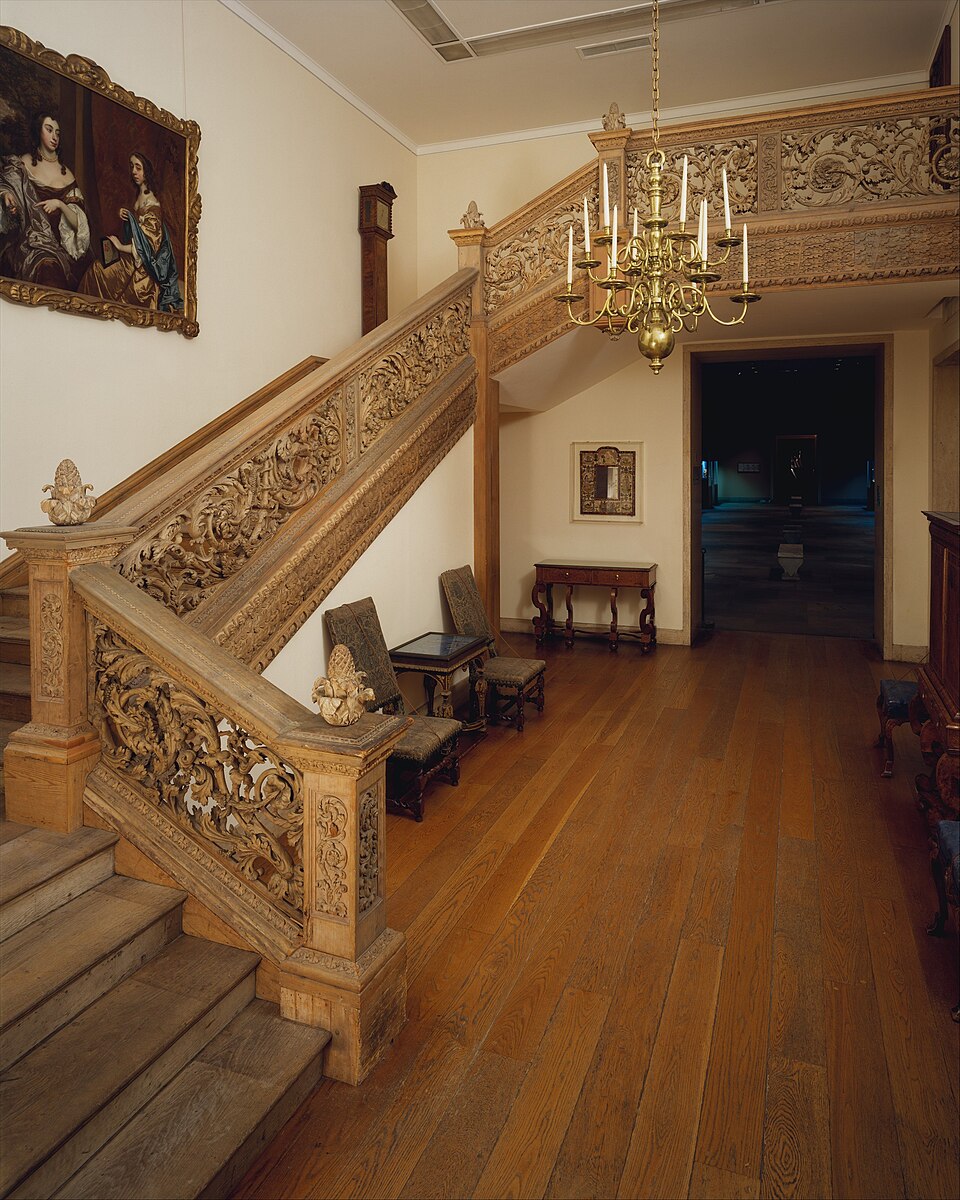
A wooden stair is built from treads (the part you step on), risers (the vertical face) and nosings (the protruding front edge of a tread).…
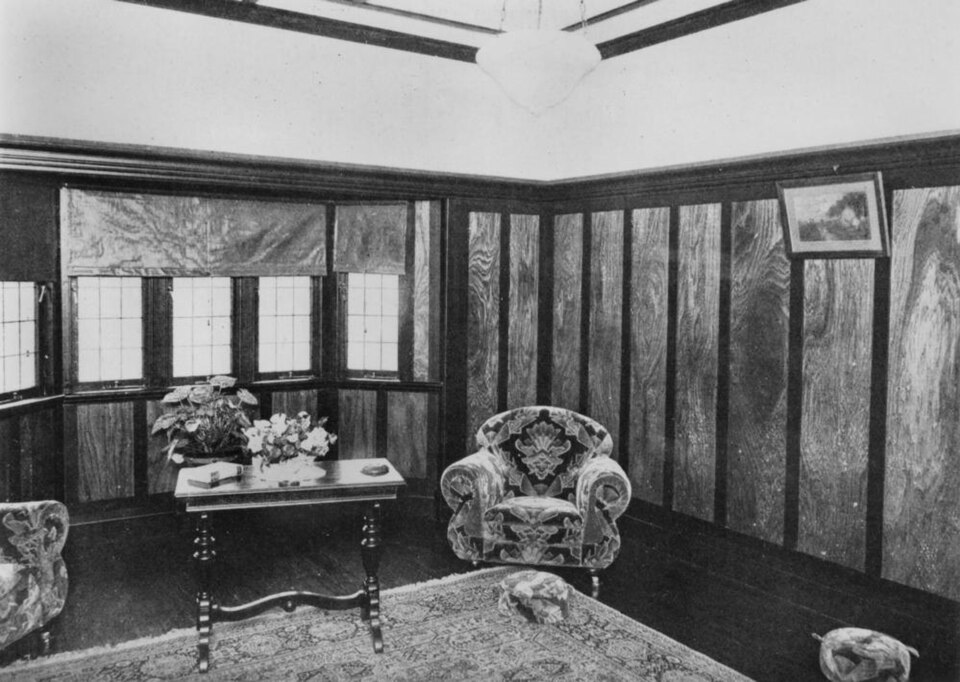
Wood wall panelling is timber boards or panels fixed to a wall as a lining. In the EU, solid wood panelling and cladding of at least 390…
A wood floor is defined as much by how it is made and laid as by its species. This section covers the main constructions and the classic patterns, explaining how each works, where it performs well and what it asks of the subfloor and the installer.
Each page includes a key-facts table, common questions and links to the sources used. For the timber itself, see the species profiles, and for laying it, the installation methods guide.
Start with the room and the subfloor rather than the look. Ask how much moisture and temperature change the floor will face, whether there is underfloor heating, how much foot traffic it will take, and how many times you want to be able to sand it over its life. Those answers usually narrow the choice of construction. The pattern and the species can then follow from the style you want.