American cherry
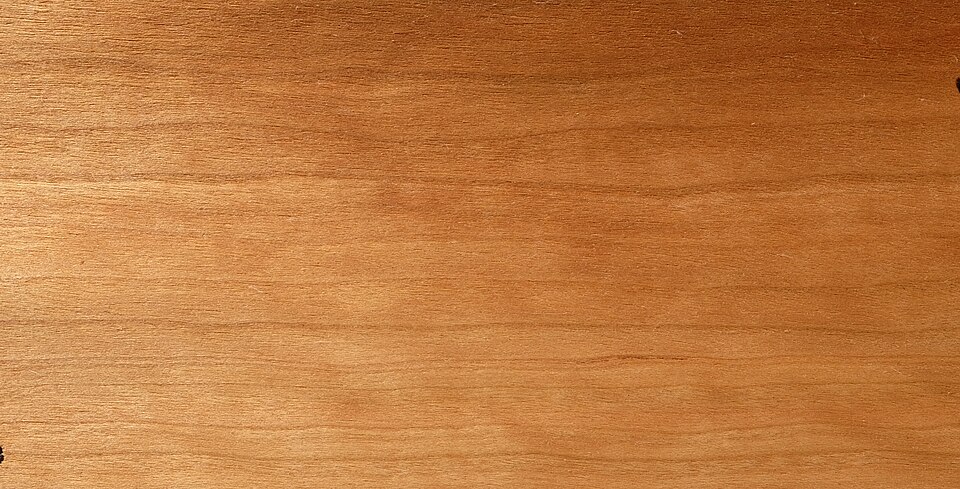
American cherry is a warm, reddish-brown hardwood that is softer than most species used for floors and changes colour noticeably over time. Its Janka hardness is 950 lbf (4,230 N), and the main things to plan for are colour change, blotchy staining and its lower resistance to denting12.
What is American cherry?
American cherry is Prunus serotina, known on The Wood Database as black cherry or American cherry, and native to eastern North America1. AHEC says the trees grow principally in the northeast of the USA in mixed hardwood forests, and names Pennsylvania, New York, Virginia and West Virginia. It also notes that much of the current resource is the result of cherry's ability to regenerate naturally after forest fires3.
What does cherry look like, and how does it age?
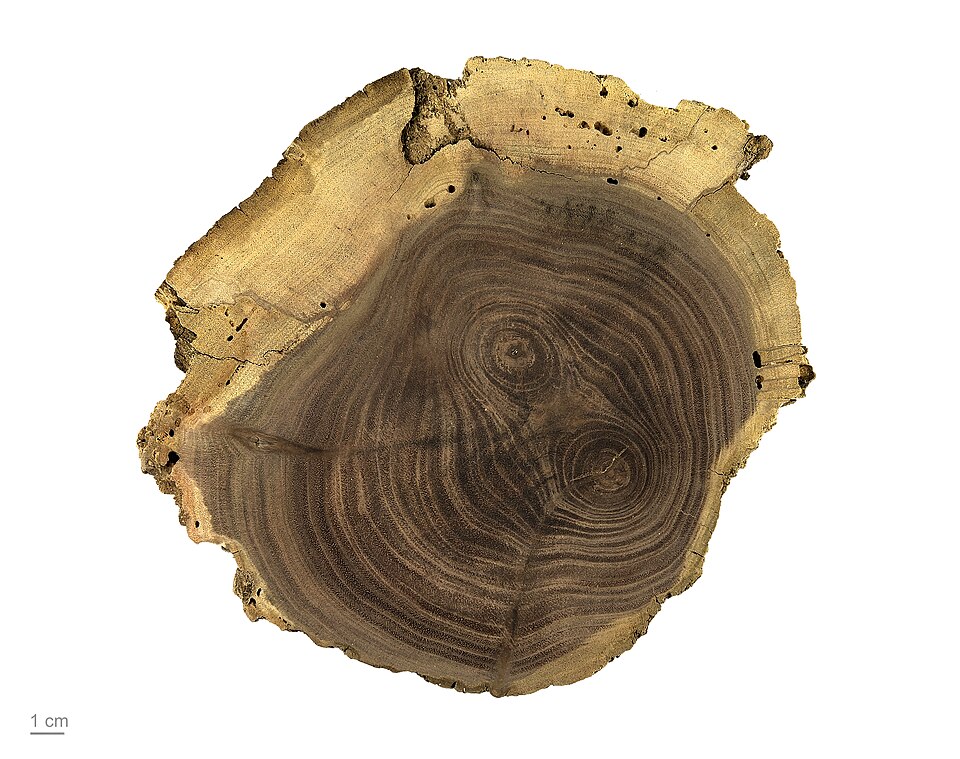
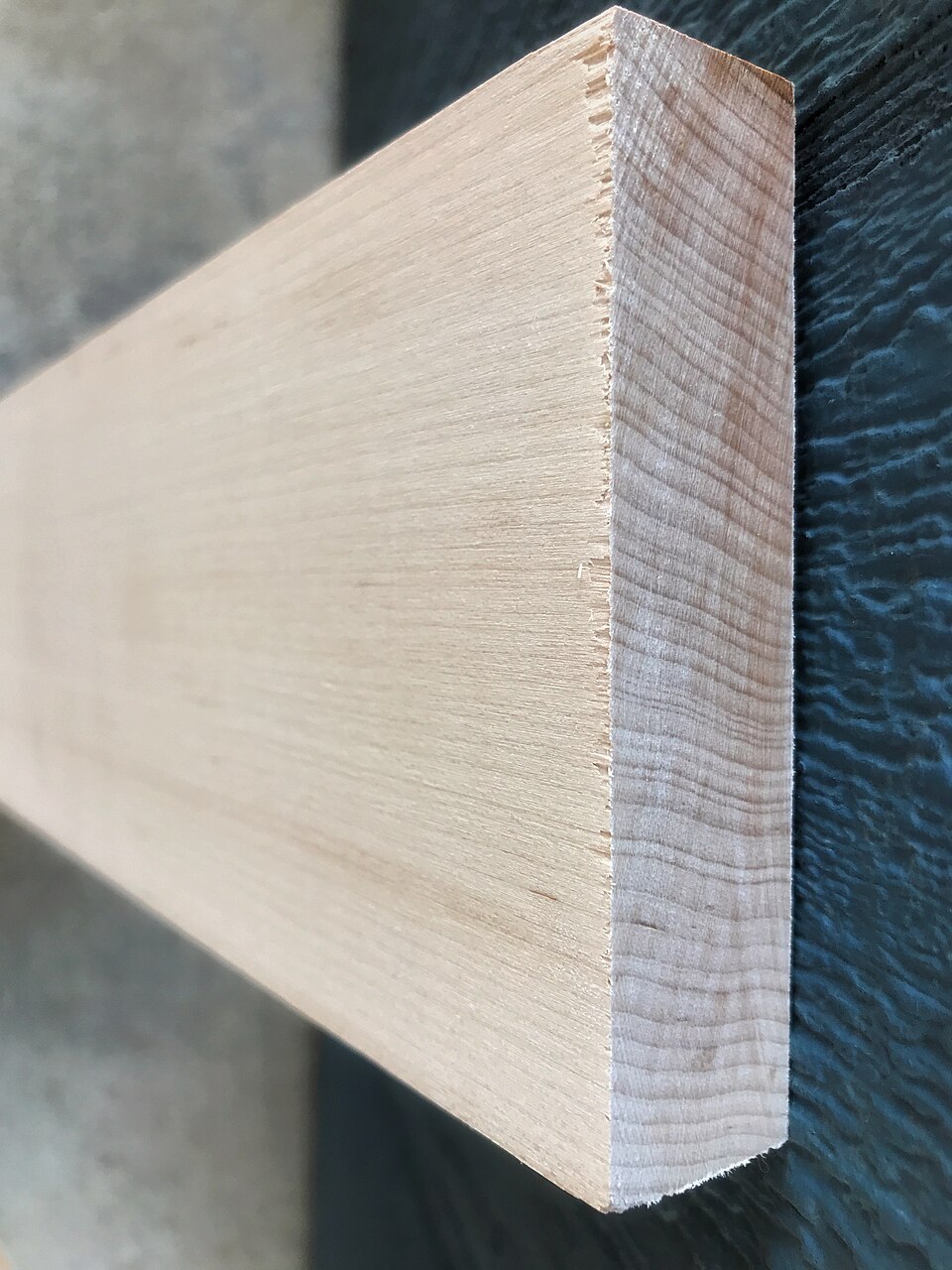
The Wood Database describes heartwood that is light pinkish brown when freshly cut and darkens to a medium reddish brown with time and exposure to light, with pale yellowish sapwood1. AHEC describes the heartwood as varying from rich red to reddish brown, with creamy white sapwood, and warns that it can darken in tone quite quickly on exposure to light4.
NWFA's Hardwood Floors Magazine says the colour patinas significantly with age and that light exposure can speed this up2. The Wood Database adds that the ageing can be accelerated by exposing the wood, judiciously, to direct sunlight1. In other words, a newly installed cherry floor will not look the way it does after months of daylight, and you should judge samples with that in mind.
How hard and dense is cherry?
| Species | Janka hardness | Density at 12% moisture content |
|---|---|---|
| American cherry (Prunus serotina) | 950 lbf (4,230 N) | 560 kg/m³ |
| English oak (Quercus robur) | 1,120 lbf (4,980 N) | 675 kg/m³ (average dried weight) |
Figures are from The Wood Database; it rates cherry's hardness and density as low15. A lower Janka number means less resistance to denting. Our Janka hardness guide explains the scale, and the same figures feed the hardness chart. For other American hardwoods, see American white oak and hard maple.
How stable is cherry?
The Wood Database lists shrinkage of 3.7% radial, 7.1% tangential and 11.5% volumetric, with a T/R ratio of 1.9, and describes the wood as stable and straight-grained1. NWFA's Hardwood Floors Magazine rates its dimensional stability as above average and gives the same radial and tangential figures, measured from green to oven-dried2. As with any species, moisture control before and after installation still applies; see moisture and acclimatisation.
How does cherry sand and finish?
The Wood Database describes cherry as stable and straight-grained, and says it machines well1. NWFA's article adds that it sands very well, that for stains or natural oils the sanding sequence should end at a higher grit, and that when it is installed beside harder species the floor should be sanded on a diagonal and finished with a multi-head sander or hard plate to reduce dish-out. It lists no known nailing issues2.
Staining needs care. Both sources warn about blotchy results; The Wood Database suggests a sanding sealer before staining, or a gel-based stain12. NWFA says this should be discussed with the end user when the finish is chosen2. See wood floor finishes and sanding and refinishing for the general process.
Is cherry used for flooring, and is it sustainable?
The Wood Database lists cabinetry, fine furniture, flooring, interior millwork and veneer among its uses1. AHEC describes it as widely used for doors, panelling, joinery, mouldings and kitchen cabinets, and "some flooring"4. It also says cherry is easy to machine, plane and turn, glues well, performs well in screwing and nailing, and can be sanded, stained and polished to a very fine, smooth finish, and that the heartwood is resistant to decay4.
The Wood Database states that it is not listed in the CITES Appendices and is reported by the IUCN as a species of least concern1. AHEC says US cherry growth exceeds harvest in all the main producing states3.
The flooring timber sold as "Brazilian cherry" is covered in our jatoba profile.
How does cherry compare with other species?
- Black walnut: another American hardwood; see its page for figures.
- American white oak: see its page for hardness and movement figures.
- Hard maple: also on the hardness chart.
Frequently asked questions
Is American cherry a soft wood for flooring?
Will cherry flooring change colour?
Does cherry stain evenly?
Is American cherry stable?
Where does American cherry come from?
Sources
- Black Cherry, The Wood Database. Accessed .
- Species Specs: Cherry, Black (American), Hardwood Floors Magazine (NWFA). Accessed .
- American cherry, American Hardwood Export Council (AHEC). Accessed .
- American hardwood guide: American cherry, American Hardwood Export Council (AHEC China). Accessed .
- English Oak, The Wood Database. Accessed .
This page compiles published data from the sources listed above. Read our editorial policy. Last updated .