Hard maple
Quick answer
Hard maple, mainly sugar maple (Acer saccharum), is a pale, fine-textured North American hardwood and harder than American white oak, red oak and black walnut on The Wood Database figures. It is used in homes and in sports and dance floors, but its shrinkage is high and it can blotch when stained. Soft maple is a different, softer group that AHEC does not recommend for flooring.
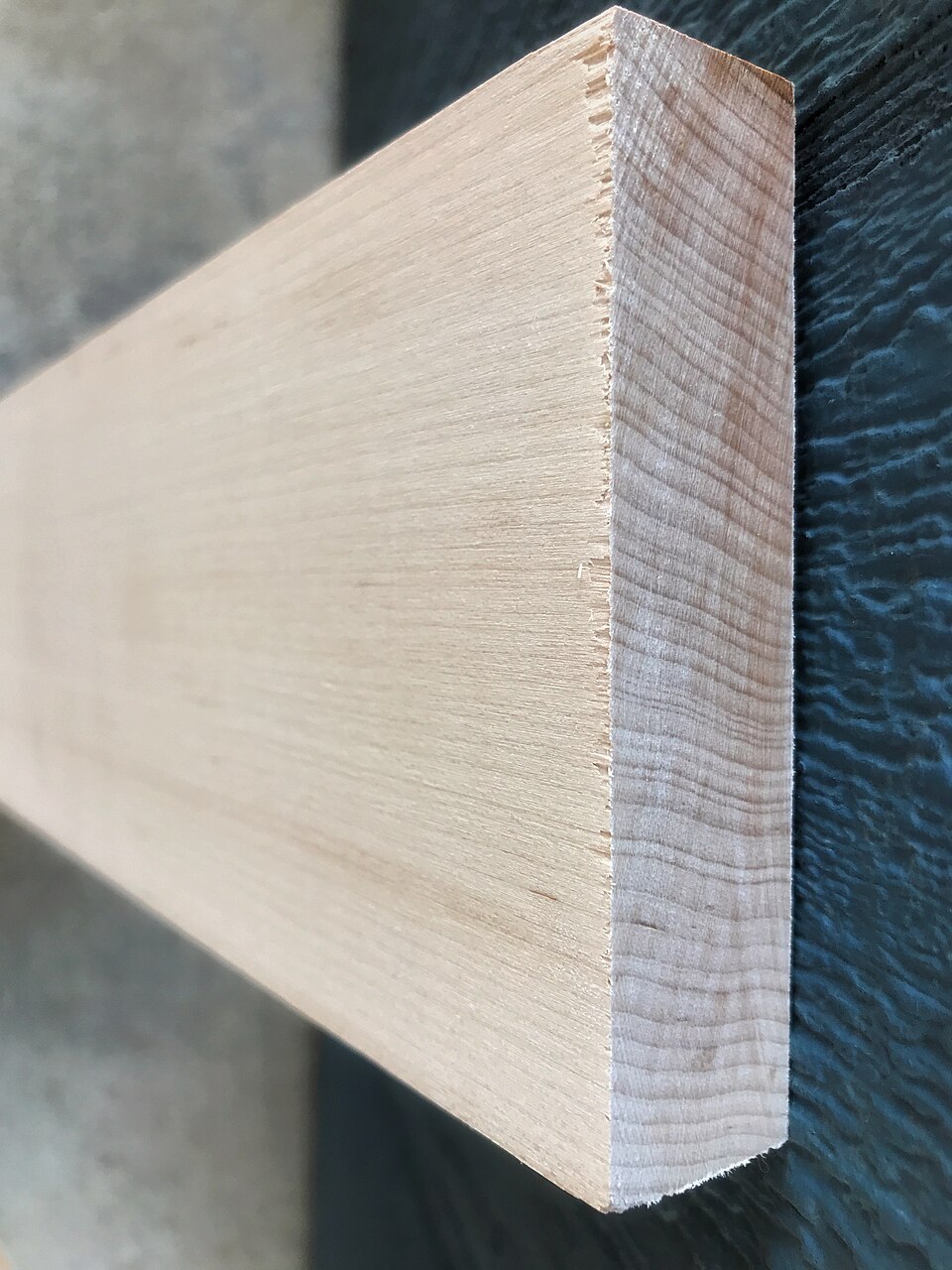
Hard maple is the commercial name for a pale North American hardwood, mainly sugar maple (Acer saccharum). The Wood Database lists it at 1,450 lbf (6,450 N) on the Janka scale and 705 kg/m³ average dried weight1. It is used for homes and for sports floors alike, with a fine, even texture that AHEC says finishes to a very smooth surface5, and that can blotch when stained1.
What is hard maple?
The Wood Handbook says hard maple includes sugar maple (Acer saccharum) and black maple (A. nigrum), that sugar maple is also known as rock maple, and that lumber is manufactured principally in the Middle Atlantic and Great Lakes states, which together account for about two-thirds of production4. AHEC lists the Latin name as Acer saccharum, with sugar maple, rock maple and black maple as other common names5. The Wood Database describes a tree 80 to 115 ft (25 to 35 m) tall, growing in northeastern North America1. AHEC calls it a cold-climate species that favours the more northern states, and notes that the trees are also farmed for maple syrup5.
What does hard maple look like?
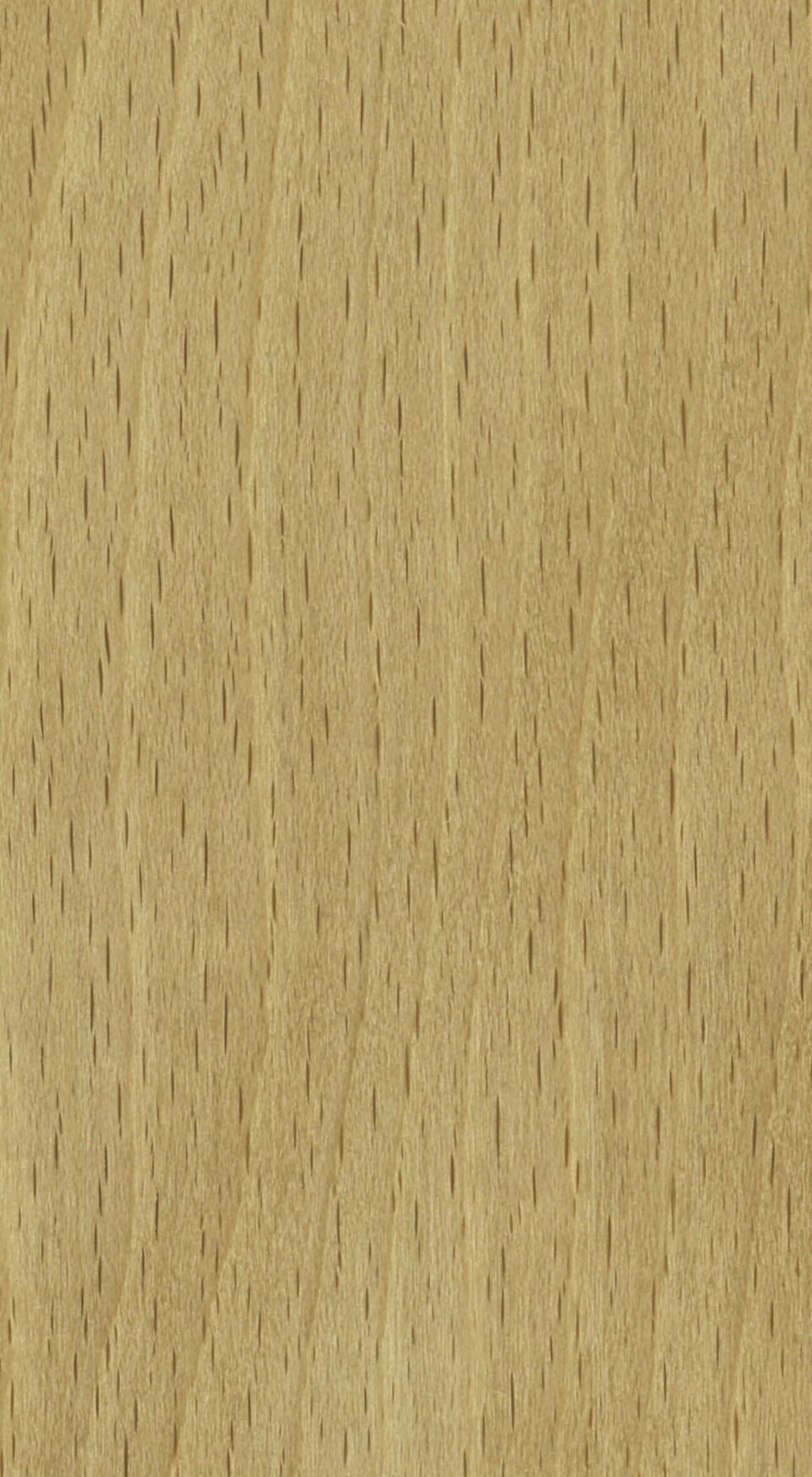
The Wood Database says the sapwood, which is the part most commonly used, ranges from nearly white to an off-white cream, sometimes with a reddish or golden hue, while the heartwood is a darker reddish brown. The grain is generally straight, though it may be wavy, with a fine, even texture; birdseye, curly and quilted figure can occur1. The Wood Handbook describes commonly white sapwood with a slight reddish-brown tinge, 8 to 12 cm (3 to 5 in.) wide, and heartwood that is usually light reddish brown4. AHEC notes that white sapwood lumber can be selected, that both sapwood and heartwood may contain pith fleck, and that the wood darkens on exposure to light with time5.
Grading follows colour as well as defects. NWFA/NOFMA defines Clear Hard Maple as special stock selected for uniformity of colour, almost ivory white, with 95 % sapwood on the face. Its Select & Better grade treats the natural colour of the wood as not a defect and admits bird's eyes and small burls6. The same standard states that appearance alone determines grade, since all grades are equally strong and serviceable6.
How hard and dense is hard maple?
| Source | Hardness | Density |
|---|---|---|
| The Wood Database | 1,450 lbf (6,450 N), Janka | 705 kg/m³ average dried weight1 |
| USDA Wood Handbook | Side hardness 1,450 lbf (6,400 N) at 12 % moisture | Specific gravity 0.63 at 12 %4 |
| AHEC | 6,450 N | 705 kg/m³ and specific gravity 0.63 at 12 %5 |
The Wood Database gives specific gravity as 0.56 (basic) and 0.71 (at 12 % moisture content)1, so check which basis a datasheet is using. The Wood Handbook defines hardness as resistance to indentation measured with a modified Janka test4. Using The Wood Database's own figures, hard maple is harder than American white oak at 1,350 lbf2 and black walnut at 1,010 lbf3. See our guide to Janka hardness for what that does and does not mean for a floor, and compare American white oak and black walnut.
AHEC describes hard maple as hard and heavy with good strength, and with high resistance to abrasion and wear5. The Wood Handbook describes it as heavy, strong, stiff, hard and resistant to shock, with high shrinkage4.
How much does hard maple move?
The Wood Handbook gives shrinkage from green to ovendry of 4.8 % radially, 9.9 % tangentially and 14.7 % volumetrically for sugar maple4. The Wood Database lists the same figures plus a tangential-to-radial ratio of 1.91. AHEC gives an average volume shrinkage of 11.9 % from green to 6 % moisture content5; this uses a different end point from the Handbook's ovendry figure, so the two are not directly comparable. Hard maple is a dense wood with high shrinkage, and the Wood Handbook notes that shrinkage and swelling can lead to gaps in flooring4. Boards need conditioning to the room before fitting, as explained in moisture and acclimatisation.
How does hard maple take stain and finish?
AHEC says hard maple can be easily sanded, stained and polished to a very fine and smooth finish5. The Wood Database adds that blotches can occur when staining, and that a pre-conditioner, gel stain or toner may be needed for an even colour1. Because of this, test any stain on an offcut first, and see wood floor finishes for the main coating types and their effects on colour.
Where is hard maple used in flooring?
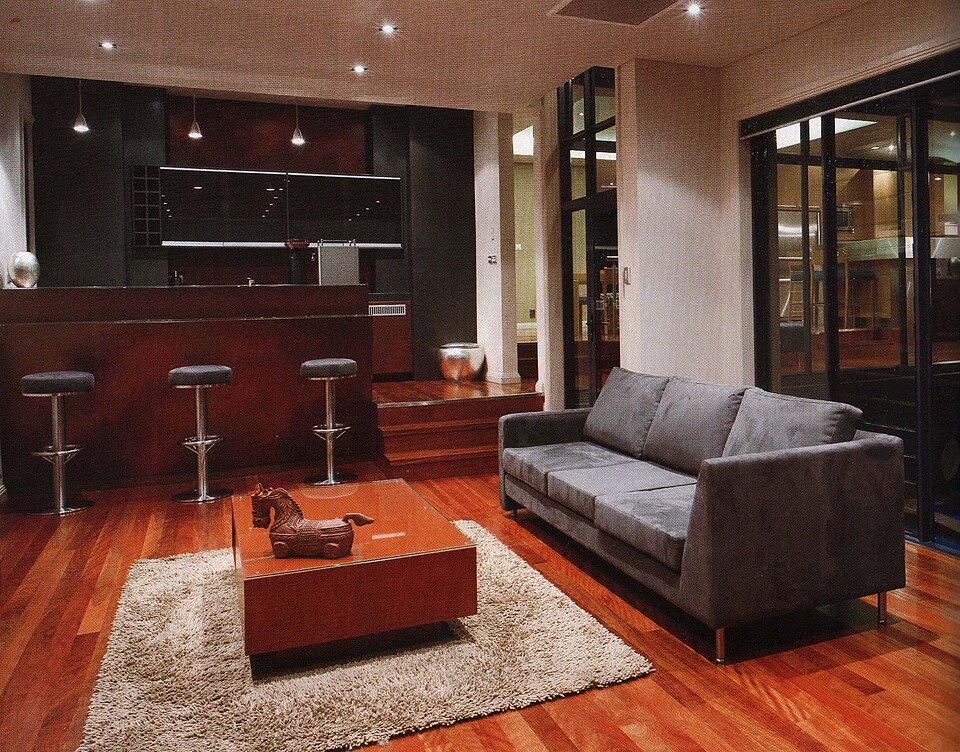
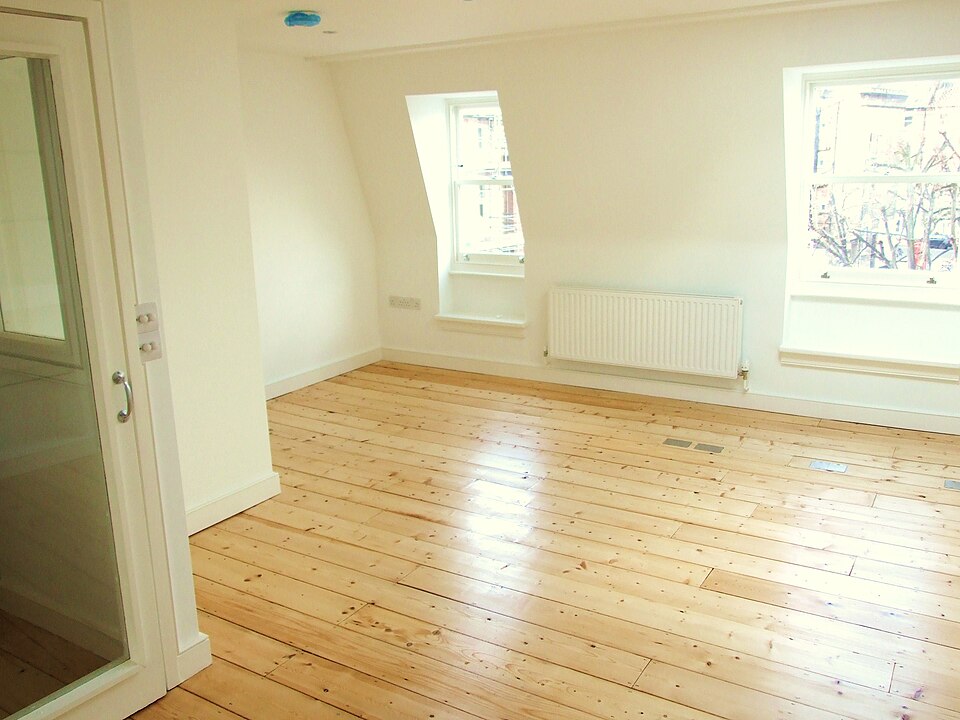
The Wood Database lists flooring, including basketball courts, dance floors, bowling alleys and residential floors, among the uses of hard maple1. The Wood Handbook says a large proportion is manufactured into flooring, including bowling alleys and dance and gymnasium floors4. AHEC calls it a preferred species for flooring, including sports floors, bowling alleys and worktops, and describes it as highly suitable for all types of flooring, including high-traffic public buildings5. The NWFA lists hard (sugar) maple among the most common domestic species for solid hardwood flooring in the United States7. For more on boards, see solid wood flooring.
Is soft maple the same thing?
No. AHEC treats soft maple (Acer rubrum and A. macrophyllum) as a separate group, states that it is about 25 % less hard than hard maple and says it is not recommended for flooring or work tops5. When you see a floor sold simply as maple, ask whether it is hard maple. For a European comparison, see European beech.
Is hard maple sustainable?
AHEC's inventory figures show U.S. hard maple growing stock of 955.4 million m³ (6.5 % of total U.S. hardwood growing stock), growth of 19.1 million m³ a year against a harvest of 10.2 million m³, and growth exceeding harvest in all major supplying states except Maine. In Maine, AHEC says harvests have been high relative to growth, mainly because of extraction for pulpwood and bioenergy and because maple-dominated forests are slowly being replaced by softwood forest types5. AHEC is a trade body promoting American hardwood, so these are industry-reported figures drawn from U.S. Forest Service inventory data. The Wood Database reports that hard maple is not listed in the CITES Appendices1.
Frequently asked questions
How hard is hard maple?
Is hard maple the same as sugar maple?
Why can maple look blotchy when stained?
Is soft maple suitable for floors?
Does hard maple darken over time?
Is hard maple sourced sustainably?
Sources
- Hard Maple, The Wood Database. Accessed .
- White Oak, The Wood Database. Accessed .
- Black Walnut, The Wood Database. Accessed .
- Wood Handbook: Wood as an Engineering Material (FPL-GTR-282), chapters 2, 4 and 5, USDA Forest Products Laboratory. Accessed .
- A Guide to Sustainable American Hardwoods (2nd edition, 2024), American Hardwood Export Council. Accessed .
- NWFA/NOFMA International Standards for Unfinished Solid Wood Flooring (revised April 2018), National Wood Flooring Association. Accessed .
- Environmental Product Declaration: industry average solid wood flooring, National Wood Flooring Association. Accessed .
This page compiles published data from the sources listed above. Read our editorial policy. Last updated .